
Reviewed · KENSINGTON MARKET & CHINATOWN TOURS
Toronto’s Multicultural Heart – Kensington & Chinatown Walk
Two neighborhoods, one side of Toronto. I love the street-food snack stop and the way guides connect big stories to small storefronts. Kensington Market and Chinatown sit side by side, so you get history, art, and meal ideas in a single 3-hour walk.
Plan for a good amount of walking, and wear shoes you trust; some parts involve standing near cafés and shop fronts.
In This Review
- Key highlights at a glance
- Why Kensington Market and Chinatown work so well together
- Price and time: what you’re really paying for
- Getting started at McCaul and Dundas (and why the meeting point matters)
- Kensington Market: how the neighborhood changed, one street at a time
- The coffee stop and snack: the best kind of cultural shortcut
- Street art in Kensington: more than a photo backdrop
- Chinatown: the late-19th-century roots behind what you see today
- Guide style: why names like Kieran and Jackie keep showing up
- How much walking is involved, and who this suits best
- Optional private tour: when small group becomes your advantage
- A quick reality check: what if something goes wrong?
- Should you book this Kensington Market and Chinatown walk?
- FAQ
- Where does the tour start and end?
- How long is the Kensington Market and Chinatown walk?
- What is included in the tour price?
- Is the tour mostly food and snack, or sightseeing?
- How big is the group?
- Is the tour offered in English?
- Is it child-friendly?
- How much walking should I expect?
- What’s the cancellation policy?
Key highlights at a glance
- Two cultures, one route: Kensington Market and Chinatown are next door, so you cover more in less time.
- Coffee and a local snack included: you taste the neighborhood, not just read about it.
- Street art you can actually see: murals and lane scenes make the area feel personal.
- Practical eating and shopping tips: your guide points you toward places to return to later.
- Small group energy: capped at 12 travelers, with an option to upgrade to a private tour.
Why Kensington Market and Chinatown work so well together
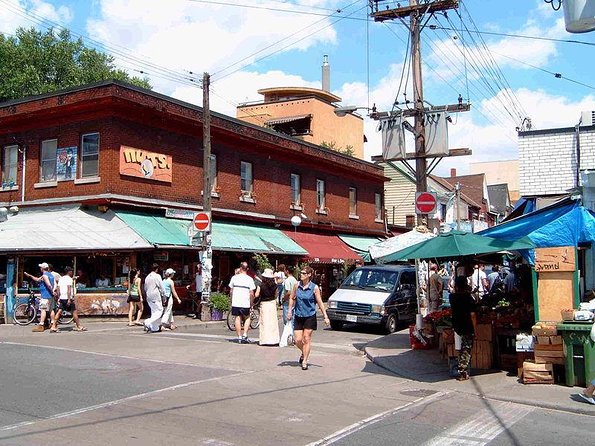
If you’re trying to understand Toronto beyond the usual postcard stops, this walk is a strong move. Kensington Market and Chinatown aren’t far apart, but they feel like they belong to different worlds. You’ll go from indie cafés, vintage shops, and street murals to a dense pocket of Chinese culture with shops, restaurants, and landmarks along Dundas Street West and Spadina Avenue.
What makes the pairing especially useful is how each neighborhood explains the other. Kensington shows how immigrants and artists reshaped a working-area into something creative and community-led. Chinatown shows how a large Chinese community took root and built everyday life—food, businesses, and traditions—right in the city.
Poke around more of Kensington Market and Chinatown near Toronto
Price and time: what you’re really paying for
This tour costs $64.25 per person and runs about 3 hours. That price might sound steep if you think of it as only sightseeing. But you’re not just taking a stroll with a printed map.
You’re getting:
- A local guide leading you through two neighborhoods that are easy to miss on your own
- A coffee or tea stop at a local café
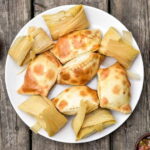
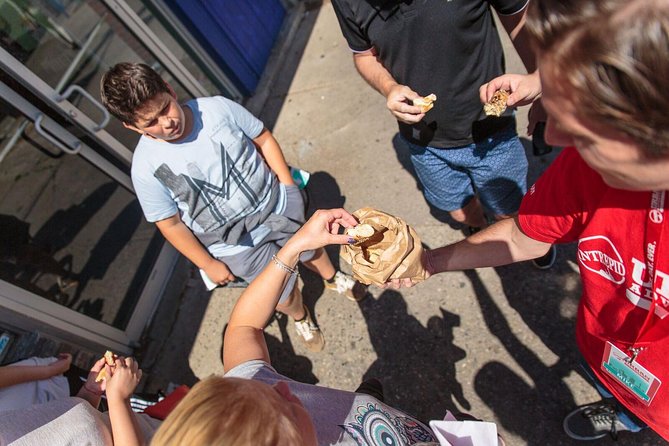
- A street vendor or market stall snack
- Clear, practical suggestions for where to eat and shop after the tour
In a city like Toronto, this is value because the guide’s job isn’t to tell you the obvious. It’s to point out the details you’d likely walk past—like the story behind the street art, or which spots feel most “neighborhood” rather than tourist-grade.
Getting started at McCaul and Dundas (and why the meeting point matters)
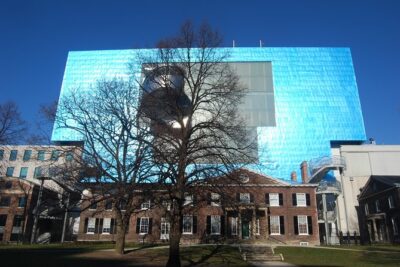
The meeting point is at the southwest corner of McCaul Street and Dundas Street West, by the Art Gallery of Ontario. That’s a convenient spot if you’re using public transit, and it’s also close enough to central areas that you don’t waste your morning in transit time.
You’ll start at 10:00 am. This matters because Kensington Market can shift quickly with the day. Early in the walk, the neighborhood is easier to read: storefronts are open, café rhythms are setting up, and guides can focus on stories without rushing between crowds.
The tour ends at Dragon City Shopping Centre at the southwest corner of Spadina Ave and Dundas St West. Ending near a major shopping hub is smart. It gives you an easy next step once the tour finishes—snack, browse, or pick up something you spotted earlier.
Kensington Market: how the neighborhood changed, one street at a time
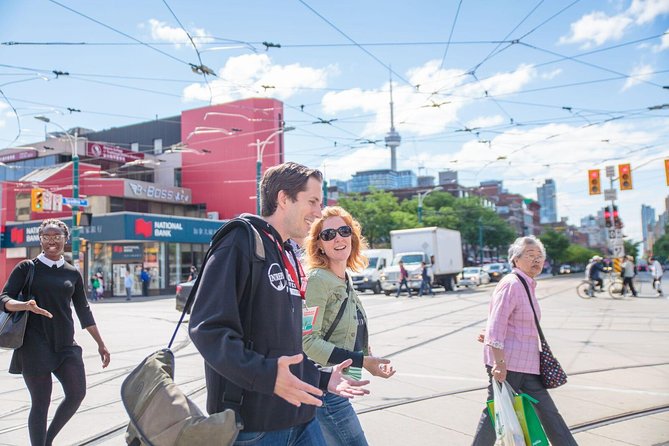
Kensington Market is where the tour really hits its stride. This area evolved over time, and your guide will bring that evolution to life as you walk. The big theme: it shifted from a working-class Jewish market into a working-class bohemian place.
You’ll see the results of decades of settlement. The streets feel layered—small businesses, café doors, and storefronts that don’t look like copies of one another. And the neighborhood has a reputation for rejecting big chains. You won’t come here expecting standard-issue corporate sameness.
A few things you’ll notice as you walk:
- Vintage shops and independent cafés that feel made for wandering
- Hole-in-the-wall bars and back-alley energy
- Bare brick walls used as a canvas for graffiti murals, often with the building owner’s blessing
One of the most fun elements of the walk is that graffiti isn’t treated as random decoration. Your guide can connect the murals to the neighborhood’s identity—why people want color here, and why the art feels tied to community ownership rather than just spectacle.
Also, Kensington Market has festivals, including Pedestrian Sunday, and this is the kind of detail that helps you picture the neighborhood beyond the few hours you’re there.
The coffee stop and snack: the best kind of cultural shortcut
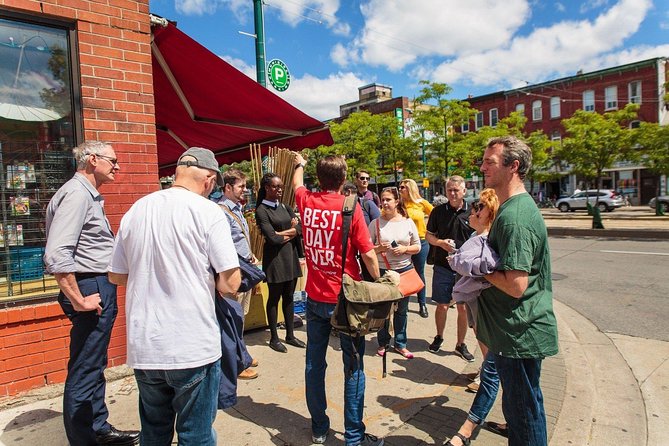
This tour doesn’t send you off hungry. It includes a coffee or tea at a neighborhood café, plus a local street snack from a vendor or stall. That sounds simple, but it’s one of the most effective ways to understand a place quickly.
Here’s why it works:
- You slow down. Taking a seat makes the stories land.
- You learn what locals order or pay attention to.
- You leave with a short list of places to return to when you’re hungry later.
In the past, guides on this tour have handled this part in a way that keeps it from feeling like a rushed “included stop.” I’ve heard everything from guides who make it a comfortable chat to people who mention that the café + pastry pairing surprised them in a good way.
If you’re the type who likes food but hates food tours that feel like checklists, this is a nice middle ground: one café moment, one snack moment, then back into the streets.
More walking tours to stroll on foot through Toronto


Street art in Kensington: more than a photo backdrop
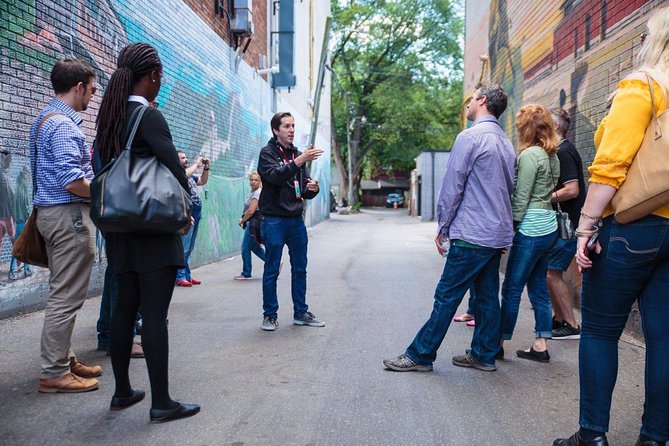
Kensington’s murals aren’t just there for your camera roll. They’re part of how the neighborhood communicates.
As you walk, you’ll see walls covered in art and you may spot artists or styles your guide highlights. Some guides also point out how owners coordinate mural use, which changes how you see the whole block. Instead of art as an accident, it becomes art as permission and relationship.
This is also where the guide’s style matters. Some guides lean into storytelling and humor. Others focus on what to look for—colors, locations, and the neighborhood reasons behind certain choices. Either way, you end up noticing more than you expected.
Chinatown: the late-19th-century roots behind what you see today
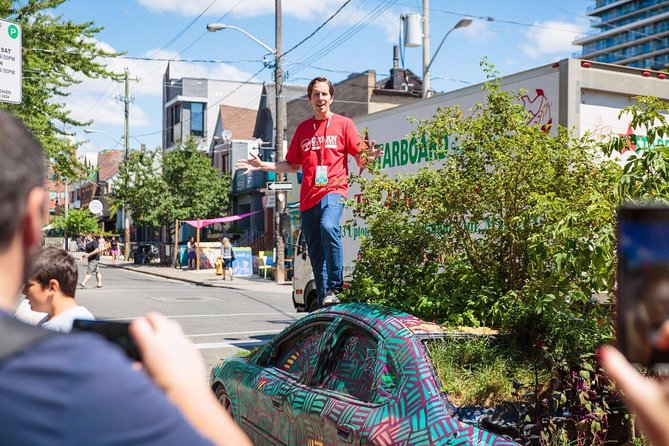
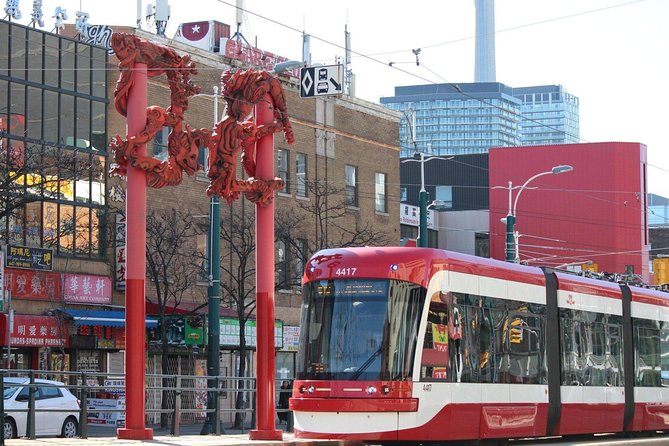
Right next door, Chinatown shifts the vibe. Here the story is about a long-established community and how it grew into a major cultural hub. Chinatown in Toronto developed in the late 19th century, and it’s described as Canada’s largest Chinese community and one of the largest Chinatowns in North America.
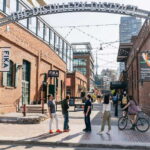
You’ll walk along Dundas Street West and Spadina Avenue and see how the area functions day to day: restaurants, shops, and busy streets where the community energy comes through in regular life, not just monuments.
What your guide does well in this part is translate the background into usable context. You don’t just learn facts. You get stories that explain why the neighborhood feels the way it does now—and you often get restaurant recommendations you can actually use later.
And the way the tour wraps up is practical. Ending near Dragon City Shopping Centre makes sense because it’s the sort of place where you might want to keep browsing after you’ve learned what to look for.
Guide style: why names like Kieran and Jackie keep showing up
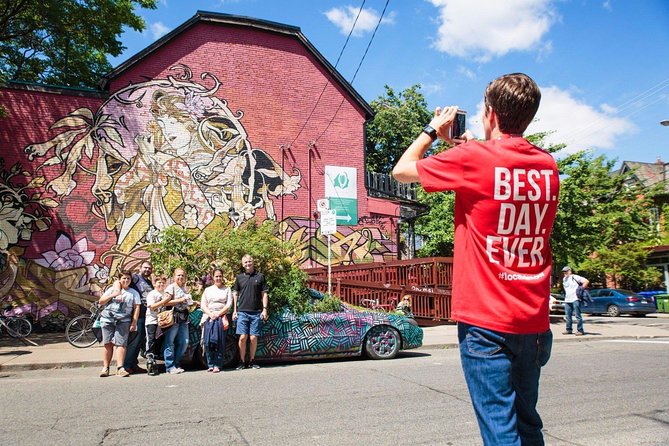
A walking tour lives or dies by its guide. On this route, you’ll likely meet a guide who can make history feel human and specific.
I’ve seen strong praise for guides like:
- Kieran, praised for well-spoken storytelling and for connecting the tour to people’s own experiences in Toronto.
- Robert, noted for tailoring the tour to the group and connecting big-picture immigration themes to what you see on the street.
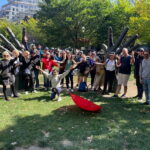
- Jackie, highlighted for weaving Toronto history with street art detail, including pointing out graffiti artists, and for keeping kids engaged.
- Jason, mentioned for humor, solo-guide attention, and adding engagement moments like questions along the way.
There are also examples of guides pacing well and turning the walk into an easy, friendly conversation. What matters for your decision: if you enjoy asking questions or you want your guide to recommend places you can revisit, this tour is designed to deliver that.
How much walking is involved, and who this suits best
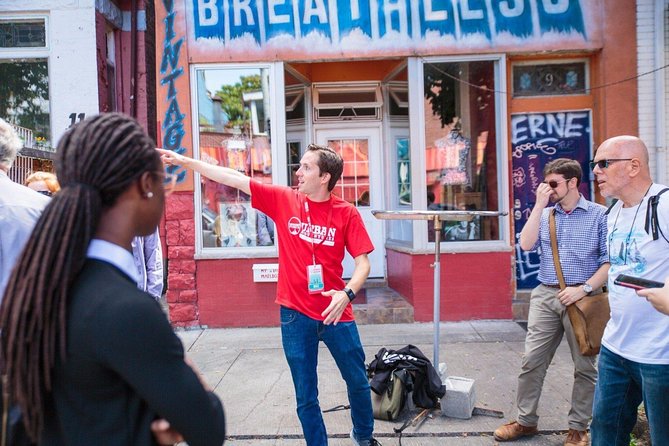
This is a walking tour with a comfortable level of effort, but it’s not a sit-and-watch museum visit. It’s about 3 hours, and you should plan for real walking time between stops.
Comfort tips that matter:
- Wear comfortable shoes.
- Bring a light layer if the morning is cool. You’ll likely be outside for most of it.
- If you don’t love standing around cafés while people order or sample, keep that in mind. Some participants found there was “quite a bit of standing,” even though the pace felt fine.
Who it’s best for:
- First-time visitors who want neighborhood context fast
- Street art fans who want location-based explanations
- Food lovers who want a couple of tastings without committing to a full food tour
- People who like to shop and want local direction beyond generic guides
- Families with kids, since it’s child-friendly (with a note below)
If you’re the type who hates walking or only wants famous landmarks, you might find this less your speed. But if you want Toronto’s real texture, this is a strong fit.
Optional private tour: when small group becomes your advantage
The standard group is limited to 12 travelers, which keeps things manageable. There’s also an option to upgrade to a personalized private tour.
That private option can be worth it if:
- You want slower pacing
- You have mobility needs you’d rather plan around
- You’re traveling as a family that wants more direct attention
- You want the guide to focus on your specific interests (food, murals, or history)
A quick reality check: what if something goes wrong?
Most experiences go smoothly, but no tour is immune to hiccups. One case described a guide not showing up when the booking was made close to the start time and the group size was very small. The company issued a refund and the couple walked the route on their own afterward.
I can’t promise it won’t happen, but I can tell you the practical takeaway: arrive on time at the correct meeting spot, and if anything feels off, contact the provider quickly. Tours like this rely on coordination, and you’ll feel more confident if you treat it like a real appointment.
Should you book this Kensington Market and Chinatown walk?
You should book if you want:
- A practical orientation to two Toronto neighborhoods that are side by side
- Food included (coffee/tea and one snack), with local recommendations
- Strong storytelling from guides like Kieran, Robert, Jackie, Jason, and others
- Street art viewing that connects to neighborhood identity, not just photos
You might skip it if:
- You dislike walking tours or standing around café stops
- You only want major tourist sights and don’t care about neighborhood life
- You’re expecting a long sequence of food stops. This tour includes a café moment and a snack, not a full meal crawl.
If your goal is to feel like you understand the city’s immigrant neighborhoods and creative side, this is a good use of time. You’ll leave knowing where to eat tomorrow, not just what the streets look like today.
FAQ
Where does the tour start and end?
It starts at the southwest corner of McCaul Street and Dundas Street West, near the Art Gallery of Ontario. It ends at Dragon City Shopping Centre, at the southwest corner of Spadina Avenue and Dundas Street West.
How long is the Kensington Market and Chinatown walk?
It lasts about 3 hours.
What is included in the tour price?
You’ll get a guided walk through Kensington Market and Chinatown, a stop for coffee or tea at a neighborhood café, and a local street snack. The tour also includes the Chinatown sights and time to explore Kensington Market’s shops and street art.
Is the tour mostly food and snack, or sightseeing?
It’s primarily a neighborhood walk and sightseeing experience, with a café stop for coffee or tea and one street snack included.
How big is the group?
The maximum group size is 12 travelers.
Is the tour offered in English?
Yes, the tour is offered in English.
Is it child-friendly?
Yes. It is child-friendly, and children under 6 can join free of charge. You’ll need to inform the provider if you’re bringing a child under 6.
How much walking should I expect?
The tour involves a good amount of walking, so comfortable shoes are recommended.
What’s the cancellation policy?
You can cancel for a full refund up to 24 hours in advance. Within 24 hours of the start time, refunds aren’t available.
More Kensington Market and Chinatown Tours
More Tour Reviews to line up around Toronto and Niagara
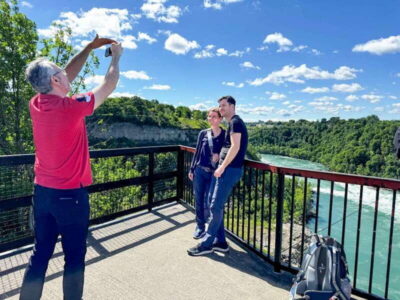



Not sure yet? Here is more to see and do across Toronto, just reviewed



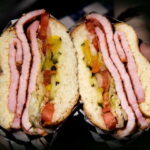








More Kensington Market & Chinatown Tours to size up.
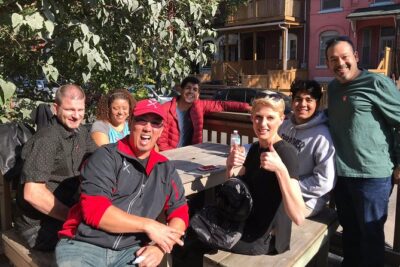 ★ 5.0Toronto’s International Food Tour – Kensington MarketFrom $82786 reviews
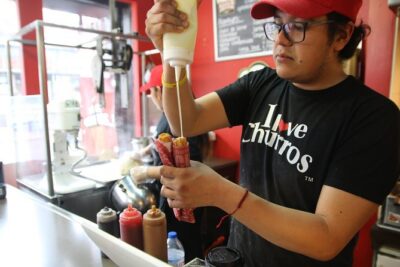 ★ 5.0Toronto’s First Food Tour: Taste the World in Kensington MarketFrom $74526 reviews
 ★ 4.9Kensington Market International Food TourFrom $8367 reviews
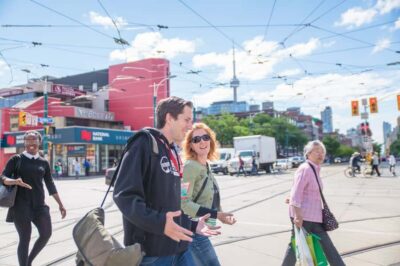 ★ 4.8Hidden Toronto: Kensington Market & Chinatown WalkFrom $5763 reviews
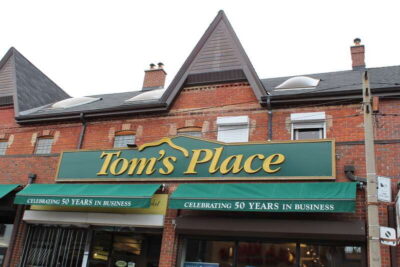 ★ 4.22-Hour Kensington Market Chinatown Walking TourFrom $2837 reviews
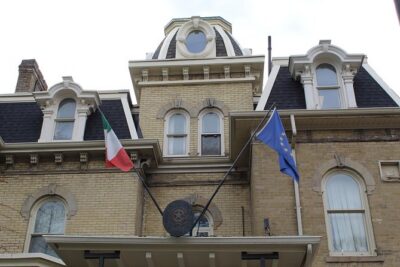 ★ 5.0Private Toronto Kensington Market and Chinatown Walking Tour in EnglishFrom $5913 reviews
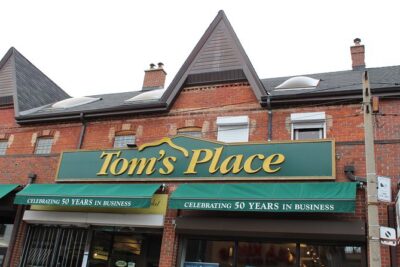 ★ 4.5Small-Group Toronto Kensington Market and Chinatown Walking TourFrom $2912 reviews
 ★ 4.5Kensington Market and Chinatown: A Self-Guided TourFrom $97 reviews
This tour also ranks in