
Reviewed · KENSINGTON MARKET & CHINATOWN TOURS
Kensington Market and Chinatown: A Self-Guided Tour
Toronto’s street stories start with your phone. This self-guided audio tour turns Kensington Market and Chinatown into an easy walk with lifetime access—so you can come back and replay it. I like that it lets you move on your own schedule, but it’s not a quick shuffle, and you’ll want headphones and enough battery.
You’ll get offline audio plus maps and geodata in the VoiceMap app, so you’re not stuck chasing signal. The route strings together big-name sights and everyday neighborhood life, which is exactly what makes Toronto feel like Toronto.
In This Review
- Key highlights at a glance
- How a VoiceMap audio tour works on foot in Toronto
- Start at Grange Park: where the route lands in the real city
- Art Gallery of Ontario: a quick taste of a museum-scale collection
- From Grange Park to OCAD University: art education meets street-level creativity
- Kensington Market: 240+ shops, plus the people behind the counters
- Kensington land, Denisons, and the Rebellion of 1837: history under your feet
- Kiever Synagogue: a 1914 story tied to community shifts
- Chinatown on the sidewalk: produce, dried seafood, and everyday culture
- Timing, walking reality, and how to finish strong
- Price and what you actually get for $9.99
- Should you book this Kensington Market and Chinatown audio walk?
- FAQ
- FAQ
- How much does the Kensington Market and Chinatown self-guided tour cost?
- How long is the tour?
- Does the tour expire after my trip?
- Do I need internet while walking?
- Where does the tour start and end?
- What do I need to bring?
- Is this tour private?
Key highlights at a glance
- Lifetime access means this audio doesn’t disappear when your trip ends
- Offline maps and audio help you keep going through busy streets
- Two major neighborhoods (Kensington Market and Chinatown) plus downtown landmarks
- Clear directions and accurate tracking help you stay oriented on the walk
- Great value at $9.99 compared with pricier guided options
- Stories that explain what you’re seeing turn a stroll into context
How a VoiceMap audio tour works on foot in Toronto
This is a smartphone audio experience from VoiceMap. You download the VoiceMap app for Android or iOS, then use it during your walk. The big win is that the tour includes offline access to audio, maps, and geodata, so you can keep your eyes up and your route steady even when data is spotty.
Because it’s self-guided, you’re free to slow down where the sidewalks pull you in—especially around markets and storefronts. You also get an audio narration that connects sights to the people and communities behind them, so you’re not just reading signs while walking.
Value-wise, the price is hard to beat: $9.99 per person for about 1 hour 15 minutes of guided storytelling. Just remember what’s not included: you bring your own smartphone and headphones, and you’re responsible for transportation, food, and any museum/ticketed stops you want to enter.
Poke around more of Kensington Market and Chinatown near Toronto

Start at Grange Park: where the route lands in the real city
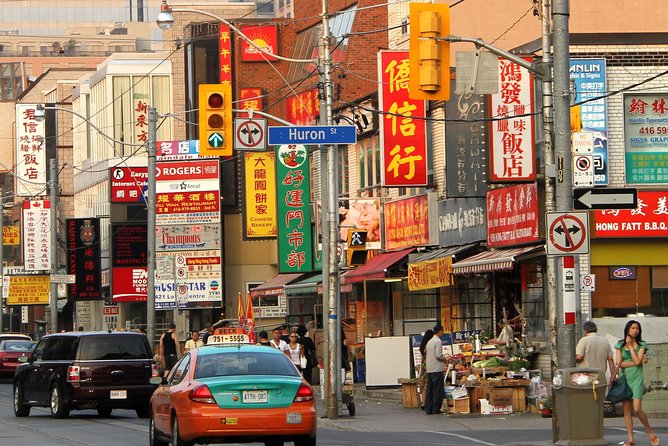
Your tour begins at the Grange Park Dog Off Leash Area on Beverly Street & McCaul St. That’s a smart starting point because it’s central and easy to find on a map, and it puts you right in the flow of downtown life before you move into the neighborhood layers.
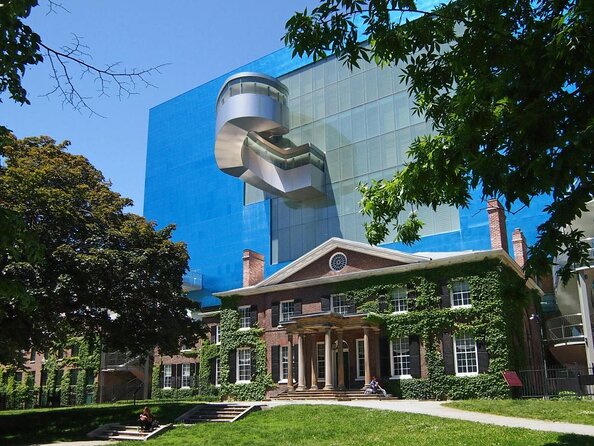
Grange Park itself is more than a green pause. It’s a prominent, well-used public park in downtown Toronto, and it even lends its name to the nearby Grange Park neighbourhood. The narration adds a key detail that changes how you see it: historically, the park was the backyard of The Grange, a manor that eventually expanded and became the Art Gallery of Ontario (AGO).
If you like “place-first” sightseeing—where the setting explains the story—this beginning works well. If you’re expecting big ticket attractions right away, you might initially feel like you’re in the park “for walking time.” Then the tour starts layering in the why.
Art Gallery of Ontario: a quick taste of a museum-scale collection
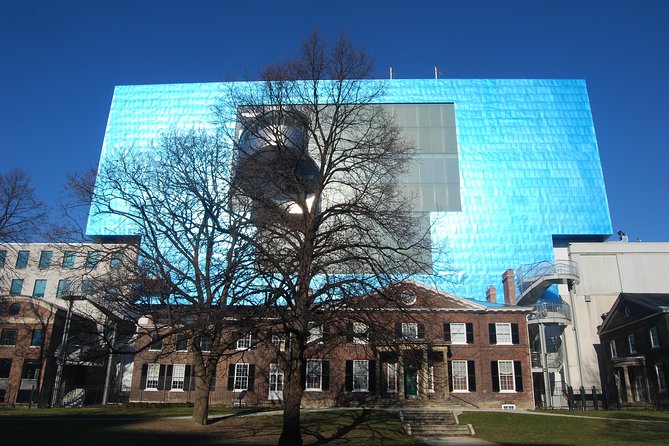
Next up is the Art Gallery of Ontario, one of the biggest cultural anchors downtown. You get context for why it matters: the gallery’s collection spans from the first century to the present, with close to 95,000 works. It also has about 45,000 square metres of physical space, placing it among the largest galleries in North America.
What I like about including AGO on a neighborhood walk is that it shows you the contrast Toronto does well. You’re not only moving through markets and ethnic enclaves. You’re also seeing how the city organizes art and public space nearby.
One practical note: the tour includes the audio storytelling, but museum tickets aren’t included. So you can do this as a stroll-and-see-the-building kind of stop, or you can add time (and a ticket) if you want to enter. Either way, the audio helps you notice details instead of just passing by.
From Grange Park to OCAD University: art education meets street-level creativity
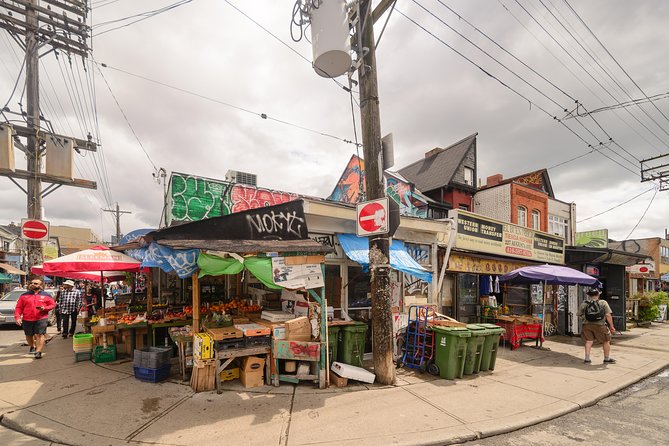
The route also brings you past the Ontario College of Art and Design University (OCAD University). This is a public university focused on art and design, and the narration highlights two points that help you understand the local vibe: it’s Canada’s largest and oldest educational institution for art and design, and it offers programs through the Faculties of Art, Design, Liberal Arts and Sciences, and alternative programs.
This matters because Kensington and Chinatown aren’t only about food and shopping. They’re also about creative energy and constant remixing of culture—something you can feel in how the streets are used. Seeing OCAD in the middle of the route makes that connection feel less random.
If you’re the type who enjoys looking at how neighborhoods keep producing artists, students, and ideas, this stop pays off. If you’re mostly in “eat and wander” mode, you might skim the area visually—but the audio keeps giving you the connective tissue.
Kensington Market: 240+ shops, plus the people behind the counters
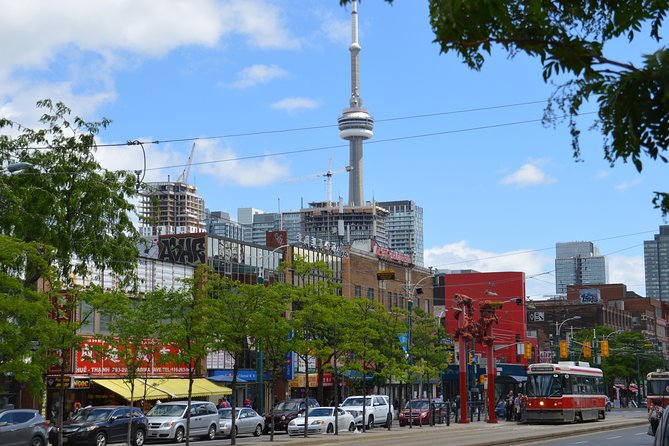
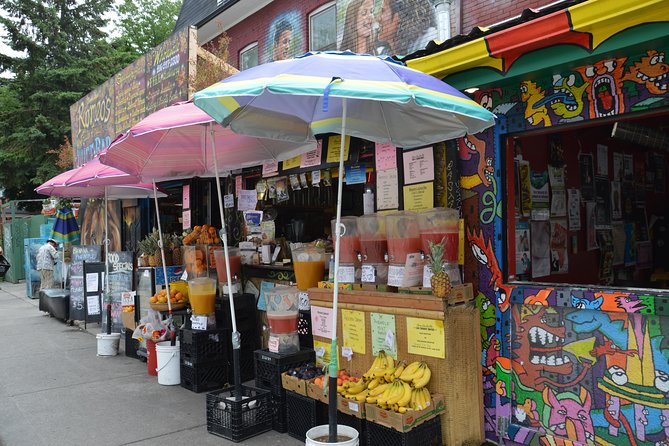
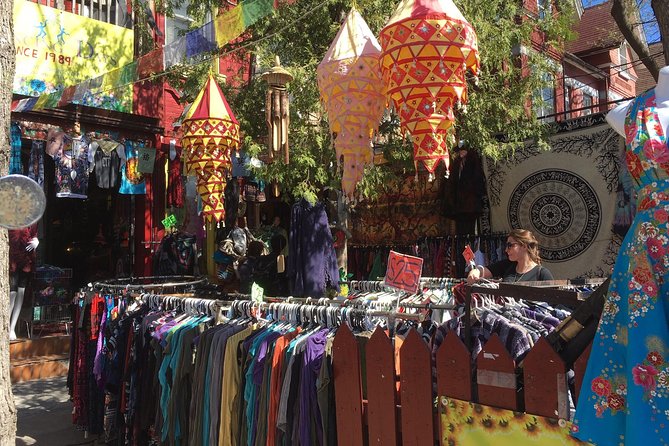
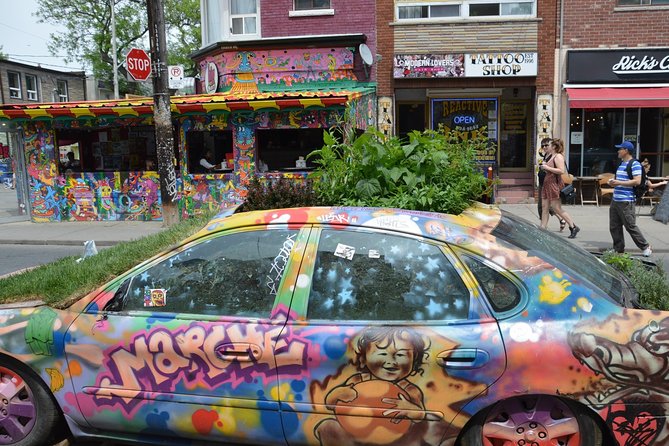
Then you move into Kensington Market, a historic multicultural neighborhood and marketplace. The standout detail here is scale: the market area includes over 240 unique shops, restaurants, bars, and cafes. That’s a lot of small experiences stacked close together.
The tour’s storytelling doesn’t treat Kensington like a theme park. It points out that writers, artists, and musicians live alongside a diverse immigrant community. That combination is why Kensington feels less like a single culture and more like an ongoing conversation.
Here’s the practical upside for you: audio tours shine when you have a place that changes block to block. Kensington does exactly that. You’ll likely want to pause in front of storefronts, browse for snacks, or step off your main line to look at what’s being sold.
Potential drawback: because Kensington is full of tempting stops, it’s easy to run overtime if you let every doorway pull you in. Try to keep a rough pace so you still finish the route comfortably.
More guided tours to hop on around Toronto





Kensington land, Denisons, and the Rebellion of 1837: history under your feet
One of the more interesting threads in this walk is that it doesn’t just talk about buildings. It also explains land. Kensington occupies property that was originally owned by the Denison family.
The tour links a specific figure to the site: George Taylor Denison used the land now associated with the park/parade-ground area as a parade ground for his volunteer cavalry troop, which he commanded during the Rebellion of 1837.
If you’ve ever walked through a neighborhood and wondered why the streets feel “older than the buildings,” this is the kind of context that answers that question. The point isn’t to memorize dates. It’s to understand how Toronto’s layers keep getting repurposed, even when the storefronts change.
Kiever Synagogue: a 1914 story tied to community shifts
The route also includes the Kiever Synagogue, a historic place of worship with a clear timeline. The congregation originally resided in the Ward. They purchased the property in 1914 from the Denison family estate, then built a new synagogue.
That’s a strong detail because it shows how communities physically relocate, rebuild, and anchor themselves. It also ties back to the Denison connection, so the history feels connected instead of scattered.
If you like architecture and the human story behind religious buildings, you’ll appreciate this stop. If you mainly care about markets and food, you can still treat it as a brief reflective moment—something to reset your brain before you hit the sensory overload of Chinatown.
Chinatown on the sidewalk: produce, dried seafood, and everyday culture
On most days, the tour’s Chinatown segment comes with a visual “wow” factor. The narration prepares you for what you’ll see: produce markets and grocers where you’ll pass mounds of herbs, fruits, vegetables, and dried seafood. You’ll also spot vendors lined along the sidewalk, with some selling wares right out of grocery carts and pop-up tables.
That matters for how you experience it. You’re not just seeing restaurant signs. You’re seeing the working side of the neighborhood—the places where ingredients move quickly and daily routines shape the street.
The tour also frames Chinatown in Toronto more broadly: there are multiple Chinatowns in Toronto and the Greater Toronto Area, and they function as major cultural, social, and economic hubs for Chinese-Canadian communities.
Practical tip: plan for your senses here. Go in hungry if you like tasting your way through neighborhoods, and bring water if you tend to get dry-throated while walking. Food isn’t included, but Kensington and Chinatown are exactly the kind of places where you can grab a snack without losing the walk.
Timing, walking reality, and how to finish strong
The tour is listed at about 1 hour 15 minutes. In practice, your actual time will depend on how often you stop. With Kensington in the mix, it’s very easy to linger. If you’re trying to keep a tight sightseeing schedule, I suggest setting a simple rule for yourself: listen first, then detour only when something catches your eye.
You can start anytime because the experience is available Monday through Sunday, 12:00 AM to 11:59 PM. That’s great for flexibility, especially if you’re balancing weather or planning around dinner.
Also, this is a private tour/activity in the sense that only your group participates. It’s still self-guided, but it removes the awkward feeling of navigating behind a crowd. And it’s near public transportation, so you can shorten the day by starting or ending easily.
If you’re traveling light, make sure you pack for the basics:
- Bring headphones (required for the narration)
- Charge your phone before you go
- Use the offline audio/maps so you don’t burn battery hunting for signals
Price and what you actually get for $9.99
At $9.99 per person, this tour lands in the “cheap enough to try, good enough to keep” category. You’re paying for a guided route with narration and navigation support through the VoiceMap app.
What you get is not just facts. You get the story glue that turns neighborhood walking into a coherent experience: how AGO connects to The Grange, how Kensington connects to artists and immigrants, how Chinatown connects to day-to-day markets, and how land ownership and community sites connect through time.
What you don’t get is also clear:
- No tickets/entrance fees
- No transportation
- No food or drink
- No smartphone or headphones
So the best value comes if you treat this as a framework. Use the audio to guide your attention, then spend your money the way you want—whether that’s a quick bite in Kensington or a longer museum stop at AGO.
Should you book this Kensington Market and Chinatown audio walk?
Book it if you want a low-cost way to understand Toronto’s neighborhood energy without joining a pricier group tour. The lifetime access is a big deal too. If you’re coming back to Toronto—or even if you just want to revisit the route months later—you won’t lose it.
Skip it only if you hate self-guided walking, don’t want to rely on a phone and headphones, or you’re expecting a short, “just the highlights” stroll. Kensington’s streets reward curiosity, and the tour’s job is to keep giving you context as you wander.
If you’ve got about 1 hour 15 minutes and you want stories that connect art, immigrants, religion, and food on the same walk, this one is a solid pick.
FAQ
FAQ
How much does the Kensington Market and Chinatown self-guided tour cost?
It costs $9.99 per person.
How long is the tour?
It’s approximately 1 hour 15 minutes.
Does the tour expire after my trip?
No. You get lifetime access to the tour in English.
Do I need internet while walking?
You get offline access to audio, maps, and geodata through the VoiceMap app.
Where does the tour start and end?
It starts at the Grange Park Dog Off Leash Area (Beverly Street & McCaul St) and ends at College Street & Augusta Avenue (College St & Augusta Ave).
What do I need to bring?
You need your own smartphone and headphones. The tour itself provides the VoiceMap app and offline materials.
Is this tour private?
Yes. It’s a private tour/activity, so only your group will participate.
More Kensington Market and Chinatown Tours
More Tour Reviews to line up around Toronto and Niagara


Not sure yet? Here is more to see and do across Toronto, just reviewed










More Kensington Market & Chinatown Tours to size up.
 ★ 5.0Toronto’s International Food Tour – Kensington MarketFrom $82786 reviews
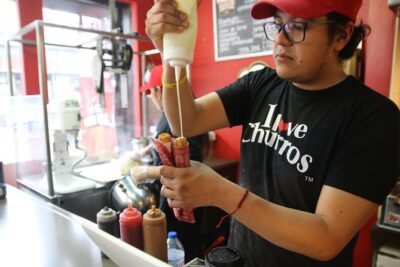 ★ 5.0Toronto’s First Food Tour: Taste the World in Kensington MarketFrom $74526 reviews
 ★ 5.0Toronto’s Multicultural Heart – Kensington & Chinatown WalkFrom $64151 reviews
 ★ 4.9Kensington Market International Food TourFrom $8367 reviews
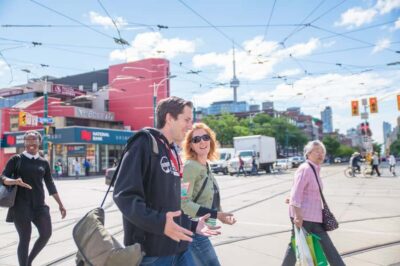 ★ 4.8Hidden Toronto: Kensington Market & Chinatown WalkFrom $5763 reviews
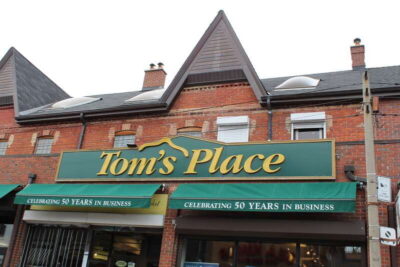 ★ 4.22-Hour Kensington Market Chinatown Walking TourFrom $2837 reviews
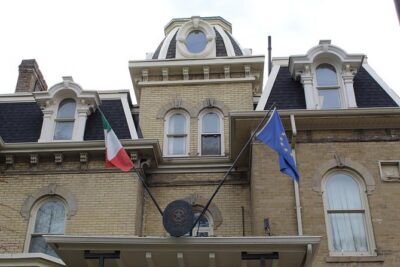 ★ 5.0Private Toronto Kensington Market and Chinatown Walking Tour in EnglishFrom $5913 reviews
 ★ 4.5Small-Group Toronto Kensington Market and Chinatown Walking TourFrom $2912 reviews
This tour also ranks in