
Reviewed · TORONTO MUSEUMS & ATTRACTIONS
Toronto: Guided Tour of Scotiabank Arena
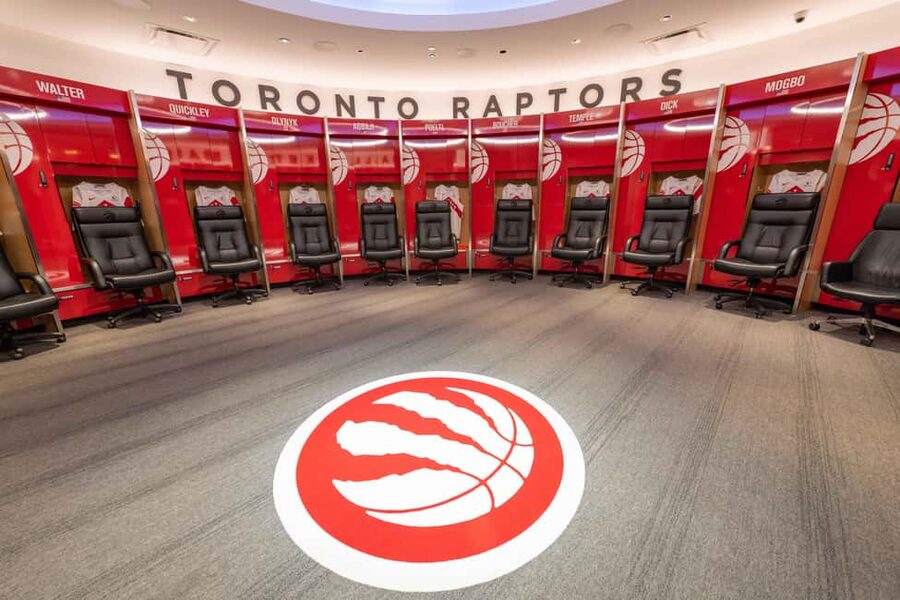
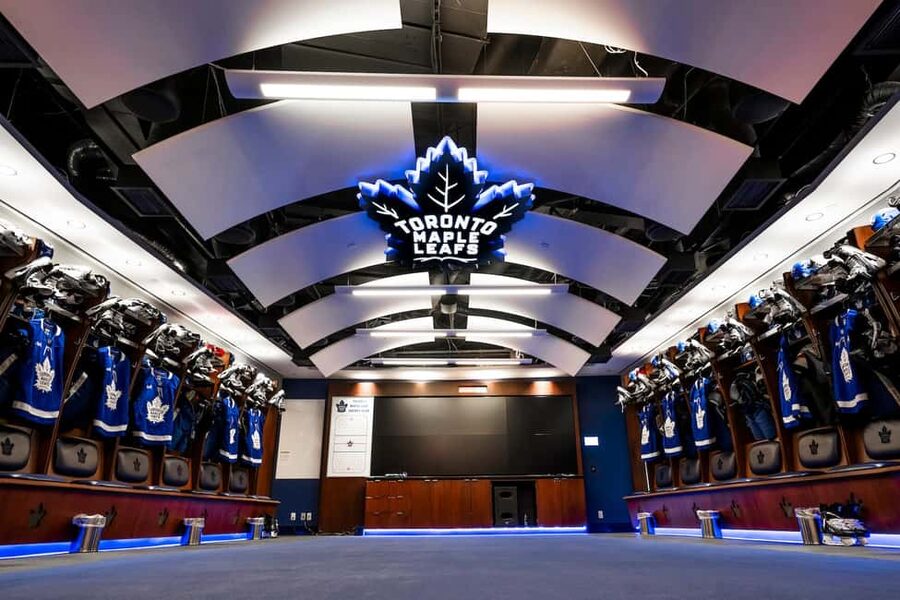
Locker rooms, practice court, and media tech—one tour. Scotiabank Arena feels like a different world when you walk in behind the scenes, and I love how much access you get for the price, from the Leafs and Raptors dressing rooms to the in-arena areas fans usually only see on game night. The other standout for me is the Raptors practice court, where you can really picture daily routines—not just the big-game moments.
There is one catch to plan around: the Leafs and Raptors dressing rooms are not available on their respective home game days. If that specific access is a must for you, check the team schedule first, and you can still look forward to guide-led storytelling that fans and non-fans both enjoy—people like Winnie and Chuck are often praised for making the arena’s 25-year evolution feel personal and fun.
Key tour takeaways
- Locker-room access for photo ops (when not blocked by home games)
- Raptors practice court time to connect the dots between practice and game-day action
- Media Gondola behind-the-scenes views you can’t get from the stands
- Floor-level and suite areas that show how events actually run
- Real Sports 10% discount with your tour ticket the same day
In This Review
- First Stop: The Galleria, Gate 1, and Getting Oriented Fast
- A 25-Year Arena Story You Can Walk Through
- Leafs and Raptors Locker Rooms: The Photo Ops That Mean the Most
- Raptors Practice Court and the Game Within the Game
- Foster Hewitt Media Gondola: Where Broadcasts Take Shape
- What the Tour Does With History, Not Just Space
- The Surprise Factor: When the Arena Is in Motion
- Real Sports Discounts: Turn Your Tour Into a Proper Post-Stop
- Practical Rules That Affect Your Comfort (Bags, Photos, and Behavior)
- Timing and Group Size: Why 60 to 90 Minutes Feels Perfect
- Who Should Book This Tour (and Who Might Want a Different One)
- Final Call: Should You Book the Scotiabank Arena Guided Tour?
First Stop: The Galleria, Gate 1, and Getting Oriented Fast
Your tour starts with an easy, central meet-up. Enter Scotiabank Arena through the Galleria, then head to the tour check-in kiosk by Gate 1. That matters more than you might think, because the best parts of an arena visit are time-sensitive—doors, access points, and staff check-ins all need to run smoothly.
Once you’re checked in, you’ll shift from “big building” mode into “how the place works” mode. Guides usually set expectations right away: where you’ll walk, what you can photograph, and what areas might depend on what’s happening inside that day. In a venue this busy, that kind of advance clarity keeps the experience calm and focused.
Also, consider what you’re carrying. Small bags are allowed, but there’s no luggage handling and no bag check. If you’re traveling light (or using a daypack you’re comfortable keeping with you), you’ll feel less friction during security and hallway navigation.
A 25-Year Arena Story You Can Walk Through
The tour is more than a checklist of rooms. A big part of the experience is the way your guide stitches the venue together—how this building became the Toronto stage for playoff hockey nights and major music events. You’ll get the arena’s 25-year history explained in a way that feels like someone is showing you their favorite highlights, not reading facts from a wall.
What helps is that the storytelling tends to include both team culture and arena operations. When the guide explains how game nights are run, those locker-room stops make more sense. When they talk about concerts and media coverage, the behind-the-scenes spaces (like press and broadcast access) stop feeling random.
Guides often bring humor and crowd interaction into the mix. Names that show up frequently in the tour feedback include Jackie, Ryan, Holly, and Mike—each praised for keeping groups engaged and making room for questions. Even if you’re not a hardcore sports follower, you’ll likely enjoy how the guide turns “restricted access” into a clear sense of purpose: why certain doors stay closed, why some areas look different on different event days, and what fans don’t usually notice.
Duck inside more of the museums and big-ticket attractions around Toronto



Leafs and Raptors Locker Rooms: The Photo Ops That Mean the Most
Let’s talk about the main reason most people book this tour: the chance to see the Leafs and Raptors dressing rooms up close. These are the spaces where teams reset mentally, gear up, and step into the moment. Even if you’re not obsessed with X’s and O’s, you’ll feel the energy of the rooms because they’re designed for routine under pressure.
Photo opportunities are part of the deal, and it’s one of the best ways to make the visit feel real. You might even see fans light up when they realize they’re standing where players change, talk strategy, and prepare to perform. In the tour experience, a lot of people specifically call out that locker-room access is thrilling, especially when you can capture both sides of Toronto’s NBA and NHL identities in one stop.
Now the important caution: locker rooms are not available on home game days for the Maple Leafs and Raptors. That doesn’t mean you won’t still enjoy the tour—it just means your highlight might be partially blocked depending on the date. If dressing rooms are your top priority, check the schedule before you book so you don’t spend the day with a “nearly” feeling.
Raptors Practice Court and the Game Within the Game
If the locker rooms are the emotional reset, the Raptors in-arena practice court is where you see the daily work that makes game night possible. This stop tends to be a favorite because it’s visual and hands-on. You’re not just looking at trophies; you’re walking into the world where reps happen.
One reason this part lands well is that it helps non-fans understand why professional sports feel so precise. Practice courts aren’t just smaller versions of game arenas—they’re built for repeat action, coaching, and getting comfortable with lighting, spacing, and timing.
Expect a lot of picture-taking here too. Many visitors come away impressed that the tour doesn’t treat practice as a throwaway detail. Guides also tend to keep the context flowing—connecting the court area back to the bigger arena story, and reminding you how a venue changes depending on whether the day is set for basketball, hockey, or concerts.
Foster Hewitt Media Gondola: Where Broadcasts Take Shape
A standout behind-the-scenes moment is access to the Foster Hewitt Media Gondola. If you’ve ever watched a hockey broadcast and wondered how everything looks from the booth level—or how commentators see replays, angles, and timing—this stop gives you a clearer picture. The gondola space is all about media workflow: sightlines, camera positioning, and how the arena is transformed for TV.
Even if you’re not a broadcaster, this is one of those “oh, so that’s how it works” areas. It turns the stadium into an information system. Suddenly you notice how people and equipment need to move, how crowds are managed, and why certain areas look the way they do.
You’ll also pass through other behind-event spaces like luxury suites and event-level areas. That variety matters because Scotiabank Arena isn’t one thing—it’s a machine that shifts from sports to spectacle. Seeing those transitions in real time helps you appreciate the venue as infrastructure, not just a shell.
What the Tour Does With History, Not Just Space
Plenty of arena tours show you rooms. This one aims to show you connections: how memorable moments are created, how the teams’ identities shaped the building over time, and how the arena adapts to different types of events.
You’ll hear stories tied to both the Toronto Maple Leafs and Raptors, plus the arena’s evolution through the concert era. Guides often emphasize iconic moments and practical context—what it’s like to operate during major events, how staff coordinate, and why certain areas matter to players and media alike.
If you’re a fan, this is where the emotional satisfaction kicks in. You’re not just seeing a locker room—you’re hearing why that locker room matters in the arena’s timeline. If you’re not a fan, you can still enjoy the operational logic and the way the tour turns a large venue into a set of understandable steps.
More guided tours to hop on around Toronto






The Surprise Factor: When the Arena Is in Motion
Tours like this usually come with a light element of “you might catch it.” That’s not marketing fluff here—it’s about what staff are doing behind the scenes on a given day. Your tour might include a glimpse of the arena preparing for the next event—things like court build-out or ice preparation.
This “in motion” element is valuable because it shows the arena as a living workplace. Scotiabank Arena isn’t frozen in time. Even on non-event days, teams and media operations require setup, testing, and careful transitions. When you’re there during a window when preparation is underway, the tour feels more immediate and less like walking through a museum.
Since timing can influence access, keep expectations flexible. Your tour still delivers the core highlights, but the exact details can vary depending on what’s happening inside the building.
Real Sports Discounts: Turn Your Tour Into a Proper Post-Stop
Another smart perk is the 10% discount you receive at Real Sports and Real Sports Apparel. This discount is available to each visitor on the day of the tour when you present your ticket at the store counter.
Practically, it’s a simple way to stretch value. If you’re already in the sports zone at Scotiabank Arena, you can turn the tour into an easy stop for a snack, a drink, or a jersey-style souvenir without feeling like you’re paying full tourist pricing.
Also, note the arena’s food rules: outside food and beverages aren’t permitted, with water bottles allowed. That means if you need something to tide you over before your tour, plan to purchase inside-approved options nearby—or just bring water and keep it simple.
Practical Rules That Affect Your Comfort (Bags, Photos, and Behavior)
Before you go, the “small but important” rules are worth knowing so you don’t lose time at the start.
- Photography: Non-commercial photography is permitted. That’s good news if you want phone pictures of the locker rooms and practice court.
- Bags: Small bags are permitted, but there’s no luggage allowed and no bag check. If you’re touring from a hotel with a big suitcase, you’ll want to store it elsewhere first.
- Behavior: You’re asked to avoid shouting, running, or acting rowdily. Arenas are busy spaces, and this keeps the tour moving.
- Strollers: Strollers are allowed on tours, which helps if you’re traveling with kids who still want a behind-the-scenes look.
If you’re coming with a group—family, friends, or a sports club—this tour format can feel even better because the guide usually builds a pace that works for mixed interests. People who want photos can get them, and people who want stories still have something to listen for.
Timing and Group Size: Why 60 to 90 Minutes Feels Perfect
The tour duration runs about 1 hour to 90 minutes depending on the starting time and tour flow. That window is long enough to get meaningful access, but short enough that you can still plan the rest of your day in Toronto without rushing.
A quieter day can make a noticeable difference. Some tour feedback points out that certain times (like holidays) can mean very small groups, which typically translates into more time for questions and more attention from the guide. You don’t need a tiny group to enjoy it, but if you’re someone who likes to ask questions or linger for photos, look for a schedule that feels less crowded.
Who Should Book This Tour (and Who Might Want a Different One)
This is a great fit if you want a real taste of Toronto’s sports culture without needing tickets to a game. You’ll get access to key areas fans care about most—locker rooms, practice court, and media-broadcast spaces—within a single, easy-to-follow visit.
It’s especially appealing for:
- Hockey and basketball fans who want more than highlights
- Families who want an activity that feels “special” but isn’t a full-day commitment
- Non-sports fans who still enjoy how large venues work behind the scenes
- Anyone who likes photo-heavy experiences, since there are plenty of opportunities
One more practical note: there’s clear separation between what you can see on a game day versus a non-game day. If your goal is specifically to check out both teams’ dressing rooms, prioritize booking when neither team is playing at home.
Final Call: Should You Book the Scotiabank Arena Guided Tour?
If you want a fun, high-value Toronto stop that’s centered on real access—not just standing outside—I think this tour is worth booking. The combination of locker-room views, the Raptors practice court, and the Media Gondola is a strong trio, and the extra Real Sports 10% discount makes it easy to extend the experience.
But don’t ignore the biggest planning point: home game schedules affect locker-room availability. If that’s the “only reason” you’re considering this tour, check dates before you commit.
If you’re flexible and you care more about getting the behind-the-scenes feel of Scotiabank Arena, you’ll likely walk away with more than photos. You’ll leave understanding how the building operates—what happens before the lights, where the media sits, and how teams prepare to perform.
More Toronto Museums and Attractions
More Tour Reviews to line up around Toronto and Niagara


Not sure yet? Here is more to see and do across Toronto, just reviewed












More Toronto Museums & Attractions to size up.
 ★ 4.7Casa Loma Entry TicketFrom $292,705 reviews
 ★ 4.7Ripley’s Aquarium of Canada Entry TicketFrom $331,748 reviews
 ★ 5.0Admission Ticket: Explore Canada in Miniature ScaleFrom $33441 reviews
 ★ 4.5Royal Ontario Museum AdmissionFrom $19411 reviews
 ★ 4.7Ripley’s Aquarium: Sharks After Dark Entry (After 5PM)From $33401 reviews
 ★ 4.5Hockey Hall of Fame Admission TicketFrom $18376 reviews
 ★ 4.6Art Gallery of Ontario General Admission TicketFrom $21251 reviews
 ★ 3.5Museum of Illusions Admission in TorontoFrom $26214 reviews
This tour also ranks in