

Reviewed · TORONTO MUSEUMS & ATTRACTIONS
Museum of Illusions Admission in Toronto
Nothing is as it seems in Toronto. The Museum of Illusions Toronto turns perception into a hands-on, self-guided hour of optical puzzles and fun rooms built for photos and learning.
I liked the interactive exhibits (you really have to try, not just look). I also appreciated the staff help for picture-taking and clear intro moments in some rooms, including a guide named Pragya. One thing to consider: it is a small, popular stop, so peak times can feel crowded and the visit can run short if you move fast.
In This Review
- Key takeaways before you go
- Museum of Illusions Toronto in one hour: what you’re paying for
- Tickets, meeting point, and how to plan your timing
- Entering the museum: make check-in and your first room count
- Your self-guided flow: how the hour usually feels
- The mind-bending rooms to prioritize (and why they work)
- Infinity and tilted-room style effects
- Vortex-style and tunnel-like experiences
- Hologram and other visual trick spots
- Puzzles and hands-on stations
- Staff help and the Pragya factor: what to look for
- Crowds, comfort, and avoiding the frustrating moments
- Price and value check: is $26.23 worth it?
- Who will enjoy it most (and who might not)
- Best way to get your money’s worth in the time you have
- A simple pairing plan for your Toronto day
- Should you book Museum of Illusions Toronto?
- FAQ
- How long does the Museum of Illusions Toronto visit take?
- How much is admission per person?
- Is the museum self-guided or guided?
- Where do I redeem my ticket?
- What is included with admission?
- Are food and drinks included?
- Is there a child age requirement?
- What about crowds and group size?
- What happens if I cancel?
- Final word: who should skip this if you’re on the fence?
Key takeaways before you go
- Self-guided means your pace: you go room to room without a fixed tour script.
- Staff can help with photos: great if you’re solo or want better angles.
- Plan for a short visit: many people finish quickly, so decide if you’ll replay favorites.
- Read the signs: some directions are posted for how to get the effect right.
- Crowds are real downtown: choose a calmer time slot if you hate shoulder-to-shoulder moments.
Museum of Illusions Toronto in one hour: what you’re paying for
This is the kind of museum where your eyes get put on probation. One minute you’re sure something is happening one way, and the next you’re nudging yourself to notice the trick. It’s simple to understand but surprisingly hard to predict, which is why adults and kids both tend to have fun.
For the price of $26.23 per person, you’re mostly buying access to a set of interactive illusion rooms and stations. The venue is not huge, so the value depends on how you experience it. If you like taking time with photo spots, repeating rooms, and solving puzzles, you’ll feel like you got your money’s worth.
If you want a long, deep museum day, you may leave thinking it was brief. That’s not a flaw in the concept; it’s just the reality of a compact, design-heavy attraction where your attention is the main ingredient.
Duck inside more of the museums and big-ticket attractions around Toronto


Tickets, meeting point, and how to plan your timing
You pick up your tickets at Museum of Illusions Toronto, 132 Front St E. It’s listed as near public transportation, and the location is easy to find once you’re in the downtown core.
A practical detail: this is an attraction that people book ahead. The average booking window is about 7 days in advance, which usually means you should not wait until the last minute if you have a specific time in mind.
Because the visit is about 1 hour on average, your timing matters more than you think. If you arrive for your time slot and the space is busy, you can lose time queuing for the most popular photo rooms. Choose earlier or later slots when possible if you prefer breathing room.
Entering the museum: make check-in and your first room count

Your experience is private for your group and self-guided once you’re inside. In practice, that means you’re not locked into a group pace, which is great if your group likes photos and switching between activities.
At the start, take a minute to spot how the museum is laid out and where the most famous illusions are. You’ll get the most enjoyment if you decide early: do you want to chase the big photo rooms first, or do you want to warm up with the hands-on puzzles?
One simple tip that can save frustration: read the signs. Some of the direction for the illusion experience is posted right there, and it helps you get the effect faster instead of wandering or trying the wrong thing.
Your self-guided flow: how the hour usually feels
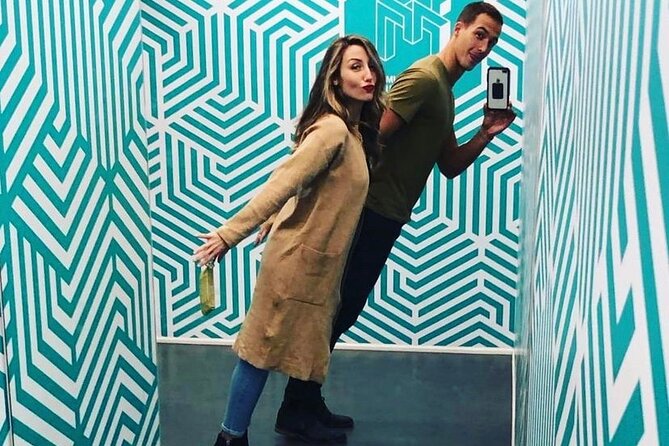
With one main stop, the itinerary is really about how you move through the museum. You’ll typically spend time bouncing between interactive installations—some are more photo-based, some are more hands-on, and some are quick challenges where you figure out what your eyes are being tricked into believing.
Expect a pace that changes depending on your group:
- Families often slow down for the photo moments and the kid-friendly interaction.
- Couples tend to split time between the trick rooms and taking pictures for each other.
- Solo visitors may go faster, but photos can be harder unless you use staff help.
The best strategy is to build your own mini-route. Do the top rooms once, then circle back for anything you missed or anything that you liked enough to retry.
The mind-bending rooms to prioritize (and why they work)
The museum is full of “wait, what?” moments, but a few room types show up again and again in people’s stories from their visits.
More museums and galleries to explore in Toronto





Infinity and tilted-room style effects
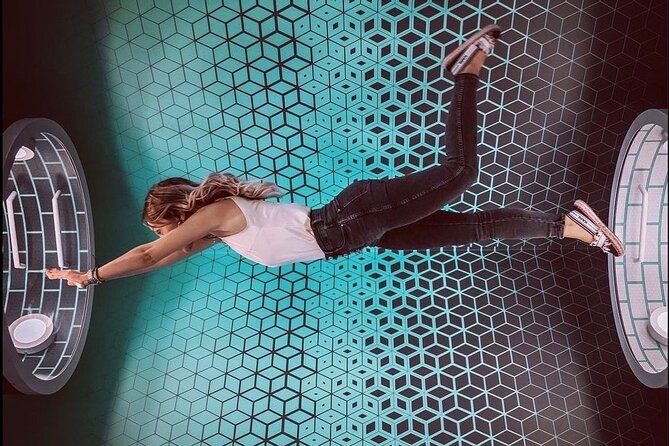
Rooms that mess with space and angle can be some of the most satisfying because they make you physically change how you stand. The infinity room style effects can look like a simple photo gimmick, but they reward patience: you often need the right position to make it snap into place.
Then there’s the tilted room concept—very visual, very playful, and great for turning ordinary movement into an illusion. If you like being silly (and if you don’t mind taking a lot of photos), these are usually the rooms where you’ll feel the “this is working” moment.
Vortex-style and tunnel-like experiences
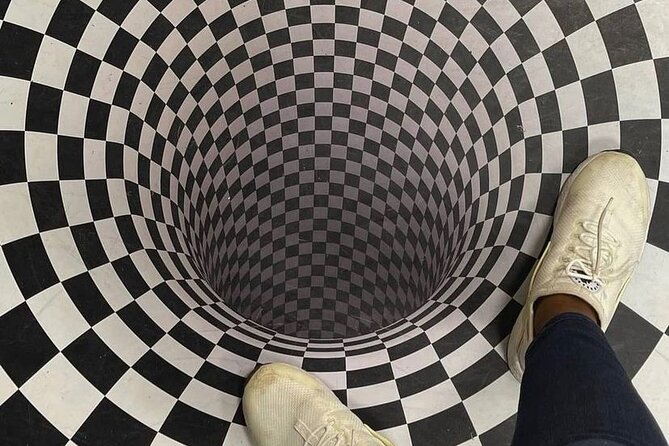
Vortex or tunnel-style installations tend to create that classic illusion reaction: you feel like you’re moving while you’re not. These can be fun even for adults who think they are immune to optical tricks—because the effect is physical enough to override skepticism.
If you’re going with kids, these rooms often act like a reset button. They break up puzzle stations and keep energy high.
Hologram and other visual trick spots
Some of the fun comes from quick visual tricks that look futuristic for a second and then make you realize it’s all about angles and perception. Hologram-style displays and other image-based illusions are usually faster than the room setups that require special positioning, so they’re great for filling time if a line forms elsewhere.
Puzzles and hands-on stations
Not every experience is about standing in a spot and posing. There are also puzzle-style challenges, including wooden puzzles that can stretch your visit if you’re inclined to solve them. If you enjoy figuring things out, you’ll feel the museum gives you more than just spectacle.
One more good note: it helps to slow down for the puzzle areas. When you rush, you might miss the satisfaction of landing the solution.
Staff help and the Pragya factor: what to look for
A big part of why people enjoy this museum is the human element. Staff are described as cheerful and helpful, especially for explaining what you’re looking at and helping with photos.
One name that stands out from the experiences shared is Pragya, who provided introductions in some show rooms and was praised for being friendly, professional, and clear about what you’re seeing. If you get a chance to catch a staff intro, take it. It often turns a cool photo moment into an actual “oh, that’s the trick” moment.
Also keep an eye out for photo help. If you’re going solo, it can be tough to get the full effect without someone else. Staff assistance can fix that, and it’s a big reason solo visitors sometimes end up enjoying the experience more than they expected.
Crowds, comfort, and avoiding the frustrating moments
The museum is popular, and that can change how pleasant the visit feels.
A common problem at peak times is overcrowding around the most popular installations. When it’s shoulder-to-shoulder, you spend less time enjoying the illusion and more time managing space. It also makes it harder to take clean photos—especially for smaller photo setups where you need a specific position.
There’s also a comfort factor in compact attractions. During busy periods, the lack of ventilation and closeness can make the space feel warm and a bit unpleasant. It’s not something you can eliminate, but you can reduce your odds by avoiding the busiest time slots.
If crowds are your stress trigger, do this: arrive when you’re fresh, move with purpose, and commit to a set of must-do rooms rather than trying to do everything without pauses.
Price and value check: is $26.23 worth it?
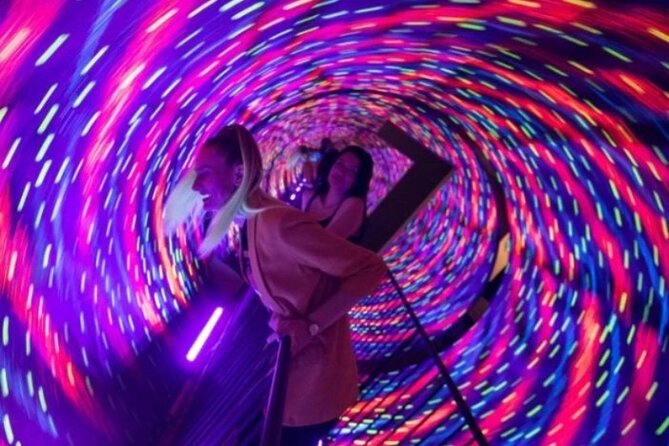
At $26.23 per person, you’re paying for an experience that is designed to be short, interactive, and high on photo moments. That can be excellent value if you enjoy optical puzzles, you like visual surprises, and you’re happy to spend time trying to recreate the effect.
It feels less worth it if you go expecting a large museum with tons of exhibits or if you’re the type who finishes attractions in record time. Some people manage to do the full circuit fast, and they end up feeling the duration didn’t match the ticket.
My best practical rule: decide what you want from the visit.
- If you want to laugh, pose, and play with perception, you’ll likely feel it was money well spent.
- If you want lots of content for a long sit-down style visit, you may feel like it’s over too quickly.
For many groups, the museum hits the sweet spot as a quick downtown break that’s fun enough for kids and interesting enough for adults.
Who will enjoy it most (and who might not)
This works well for families. Kids tend to love the active rooms, and adults still get plenty to enjoy because the illusions are more than simple tricks.
It can also be good for couples, especially if you like taking photos together and you’re comfortable with a playful, slightly quirky atmosphere. Just remember: some rooms are better with two people taking turns, so you might want to plan for a few “you go first, I go second” photo moments.
Solo visitors can have a great experience too, but you’ll want to lean on staff help for photos or be ready for fewer perfect shots. The upside: since it’s self-guided, you can stop, reset, and repeat rooms without negotiating with anyone else.
If you’re someone who really hates lines, shoulder-to-shoulder spaces, or small venues, time it carefully. The museum’s design favors quick movement, and peak crowds can get chaotic.
Best way to get your money’s worth in the time you have
Since this is around one hour on average, you should treat it like an “experience sprint,” not a sit-and-read museum day.
Do this:
- Pick your 3 must-do rooms first, then fill in the rest.
- Take the photo first, then do the illusion challenge afterward (so you don’t waste time when the light or angles get busy).
- If a room is packed, move to a different section for 5–10 minutes and come back.
- Use staff help when you’re stuck or need better photos.
Also, plan around the fact that food and drinks aren’t included. That doesn’t mean there’s nothing nearby—it just means you shouldn’t assume you’ll be able to snack inside as part of your ticket. If you’re visiting with kids or you’re sensitive to low-blood-sugar afternoons, bring a plan for water and a light bite before you arrive.
A simple pairing plan for your Toronto day
This sits in a downtown spot near transit, and it’s also easy to reach by foot once you’re in the downtown grid. One visitor even mentioned parking in an underground garage around Frederick St and walking about two minutes—so if you’re driving, you can keep your walk short.
Because the museum is an hour-ish commitment, it pairs well with a broader downtown day. Think of it as the interactive stop between other plans, not the only anchor of your day.
If your schedule is tight, you’ll like having a self-guided attraction you can finish quickly and still feel like you did something fun and different.
Should you book Museum of Illusions Toronto?
I’d book it if you want a fun, interactive, photo-friendly stop that’s easy to fit into a Toronto day. It’s especially worth it if you enjoy optical tricks, puzzles, and playful moments where you can change your stance and see the effect right away.
Skip or time it carefully if you’re chasing a large, long museum experience or you hate crowded, close quarters. Since it can be short and popularity-driven, picking a calmer time slot and reading posted directions will do a lot to improve the value of your visit.
FAQ
How long does the Museum of Illusions Toronto visit take?
It’s listed at about 1 hour on average.
How much is admission per person?
The price is $26.23 per person.
Is the museum self-guided or guided?
It’s self-guided. Your admission gives you access to the exhibits.
Where do I redeem my ticket?
Redeem at Museum of Illusions Toronto, 132 Front St E, Toronto, ON M5A 1E2, Canada.
What is included with admission?
Your admission includes access to all exhibits.
Are food and drinks included?
No. Drinks and food are not included.
Is there a child age requirement?
Children must be accompanied by an adult.
What about crowds and group size?
The activity is listed as private for your group, but the museum itself is a popular downtown attraction, so busy time slots can feel crowded.
What happens if I cancel?
This experience is non-refundable and cannot be changed for any reason.
Final word: who should skip this if you’re on the fence?
If you need a long museum day, don’t overpay your expectations. If you’re looking for a quick, playful hour of optical surprises with staff support (including named intro help like Pragya in some rooms), it’s a solid Toronto choice.
More Toronto Museums and Attractions
More Tour Reviews to line up around Toronto and Niagara


Not sure yet? Here is more to see and do across Toronto, just reviewed











More Toronto Museums & Attractions to size up.
 ★ 4.7Casa Loma Entry TicketFrom $292,705 reviews
 ★ 4.7Ripley’s Aquarium of Canada Entry TicketFrom $331,748 reviews
 ★ 5.0Admission Ticket: Explore Canada in Miniature ScaleFrom $33441 reviews
 ★ 4.5Royal Ontario Museum AdmissionFrom $19411 reviews
 ★ 4.7Ripley’s Aquarium: Sharks After Dark Entry (After 5PM)From $33401 reviews
 ★ 4.5Hockey Hall of Fame Admission TicketFrom $18376 reviews
 ★ 4.7Guided Tour of Scotiabank ArenaFrom $29275 reviews
 ★ 4.6Art Gallery of Ontario General Admission TicketFrom $21251 reviews
This tour also ranks in