
Reviewed · TORONTO CITY TOURS & CN TOWER
Toronto: City Walking Tour
Toronto’s secret is underground. This 3-hour walk strings together downtown landmarks, the PATH underground pedestrian network, and a satisfying finish at St. Lawrence Market. Along the way, you’ll learn how to navigate like a local, not just where to pose for photos.
I especially like the small group setup (up to 10), because it turns the tour into real walk-and-talk conversation instead of a one-way lecture. I also like that guides share practical city know-how, including how to get to and what to do on the Toronto Islands, plus plenty of humor and Q&A.
The main thing to plan for is the walking. This route requires moderate fitness and isn’t suitable for wheelchair users, so comfy shoes matter.
In This Review
- Key highlights you’ll feel right away
- Starting in the Entertainment District: why King and Simcoe works
- Waterfront first: CN Tower and Rogers Centre without the lines
- The PATH network: the underground system that changes how you move
- Practical tip: bring your camera, then use it strategically
- Union Station and Queen’s Quay Terminal: where “transport” becomes “sight”
- Brookfield Place and Santiago Calatrava: architecture you can spot fast
- Old Toronto streets: the 19th-century vibe shift that feels real
- St. Lawrence Market finale: a top lunch plan in the heart of it
- How much you’ll walk (and what to pack)
- Price and value: is $38 worth it?
- The guide experience: humor, photos, and real conversation
- Should you book this Toronto city walking tour?
- FAQ
- What is the duration of the Toronto walking tour?
- Where does the tour start?
- What is included in the tour price?
- Are CN Tower and Rogers Centre included?
- Is this tour wheelchair-friendly?
- Do I get a full refund if I cancel?
Key highlights you’ll feel right away
- PATH power move: how one underground system connects downtown office towers and keeps you moving in winter or rain
- Entertainment District to waterfront: a smart first pass at Toronto’s busiest streets and skyline
- Waterfront landmark context: CN Tower and Rogers Centre stories from the outside, no tickets needed
- Brookfield Place stop: Santiago Calatrava architecture you can notice while you walk
- Old Toronto contrast: 19th-century-era streets that change the vibe mid-tour
- St. Lawrence Market payoff: a top food stop that makes a natural lunch ending
Starting in the Entertainment District: why King and Simcoe works
The tour meets at the southwest corner of King Street West and Simcoe, beneath the small electronic billboard for Roy Thomson Hall. This is a smart starting point because the Entertainment District is where Toronto feels like Toronto: theaters, restaurants, and that constant coming-and-going.
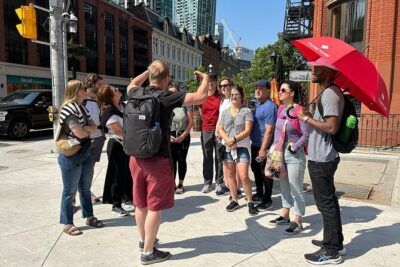
Right from the first minutes, a good guide sets the tone. You’ll be encouraged to ask questions and talk with the group, and that helps you stop feeling like you’re just being marched between photos. With a group capped at 10, the pace stays human enough that you’re not always watching the guide from a distance.
You’ll also get early orientation on how downtown is laid out and how to think about neighborhoods as more than just names on a map. If this is your first day in the city, it’s a great way to avoid wandering in the wrong direction later.
See more of the skyline on our other Toronto city tours and CN Tower trips in Toronto



Waterfront first: CN Tower and Rogers Centre without the lines
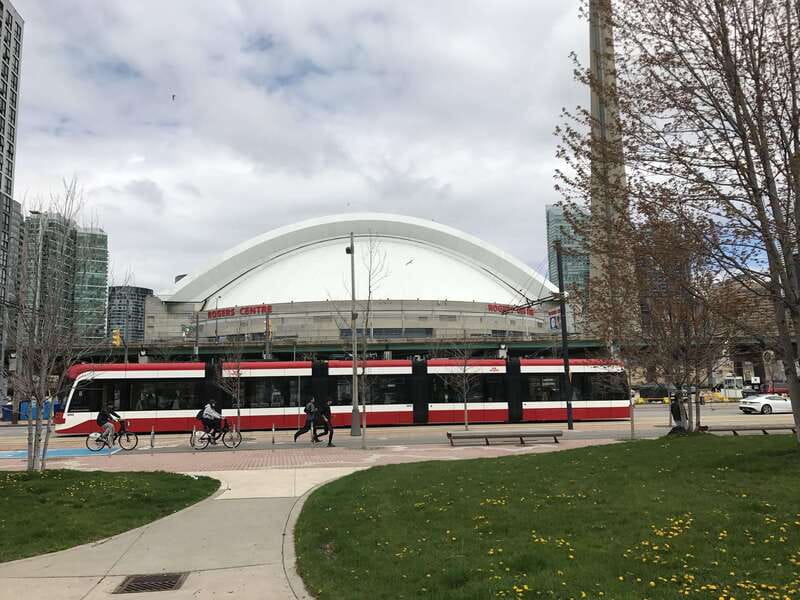
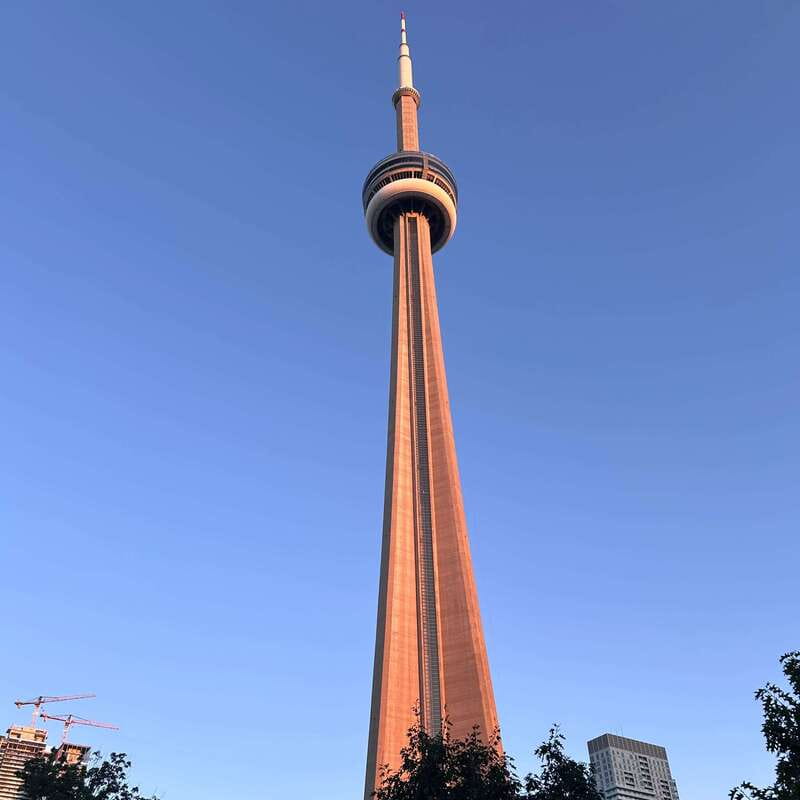
After you leave the Entertainment District, the route heads toward the waterfront. Along the way, you’ll pass major skyline landmarks such as the CN Tower (noted as once the world’s tallest freestanding structure) and the Rogers Centre, often called the Skydome by locals.
You won’t go inside either building, but that’s part of the value: you still learn the stories, the design context, and what these sites mean in Toronto’s modern identity without spending extra money on entry tickets. This is especially useful if your time is tight and you want to know what you might want to visit later.
There’s also a short break at the waterfront. That pause matters. It gives you a breather, plus a chance to mentally connect what you’re seeing with what your guide is explaining—Toronto’s waterfront energy makes the city feel less like a grid and more like a living place.
The PATH network: the underground system that changes how you move
Then comes the big wow: the PATH. This is mostly underground and stretches for over 30 km / about 20 miles. It connects downtown offices, transit links, hotels, and more—so the whole point isn’t just to be interesting, it’s to help you travel smarter.
The tour focuses on how the PATH connects more than 70 office towers in downtown Toronto. That detail is more than trivia. It explains why people in the business core treat the PATH like a second set of streets: it’s built for commuting, errands, and lunch breaks, not sightseeing.
Inside the PATH, you’ll hear about the scale you’re walking through. The network includes hundreds of spots to eat and shop—600 places to eat and 800 shops are part of the described mix—plus 6 subway stations and 7 hotels. If you’ve ever felt overwhelmed by downtown Toronto’s streets and weather swings, this is the mental shortcut you needed.
You’ll also see it firsthand as you pop in and out. That matters because you don’t just get a map idea. You get a feel for how the underground world links to the surface, so you’ll know what to look for when you’re on your own afterward.
Practical tip: bring your camera, then use it strategically
This tour includes entry to parts of the transit/building ecosystem, and photos are the easiest way to remember where everything connects. Don’t aimlessly shoot the first 10 minutes—save your camera moments for transition points where the PATH entrances meet the outdoor streets.
Union Station and Queen’s Quay Terminal: where “transport” becomes “sight”
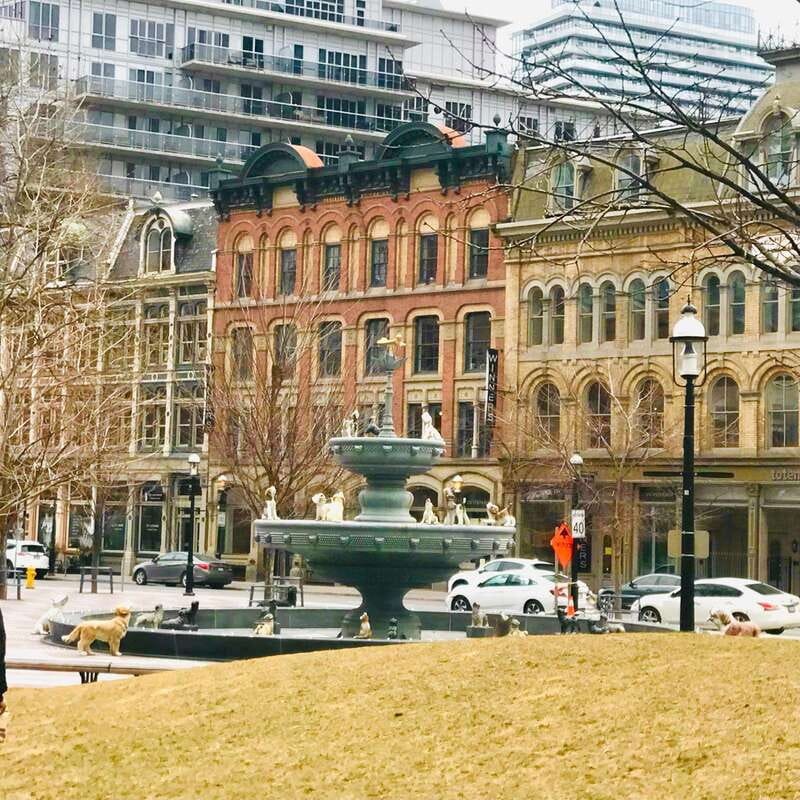
Some of the stops you get access to include Queen’s Quay Terminal and Union Station. Even if you’re not going inside every part of these sites on your own later, walking through areas like this helps you understand how downtown Toronto really works.
These places also help you track the tour’s theme: Toronto is a city of layers. Street level is for people watching. Underground is for moving efficiently. Transit hubs are where the city’s energy concentrates.
This is a great section for anyone who likes the practical side of travel—figuring out how to get from A to B without wasting half a day crossing blocks in weather or traffic. The guide’s explanations turn those stations from intimidating architecture into readable landmarks.
More walking tours to stroll on foot through Toronto





Brookfield Place and Santiago Calatrava: architecture you can spot fast

After the PATH, you’ll enter Brookfield Place. The building is designed by Spanish architect Santiago Calatrava, and it’s described as one of Toronto’s most spectacular sights.
What makes this stop work on a walking tour is that you’re not stuck in a museum. You can register the architecture while moving through it—angles, form, how the space feels when you enter from underground or nearby streets.
This is also a natural place to ask questions. If you’ve been wondering why downtown looks the way it does, Calatrava’s modern design gives you a clean contrast point against older streets you’ll see later in the tour.
Old Toronto streets: the 19th-century vibe shift that feels real
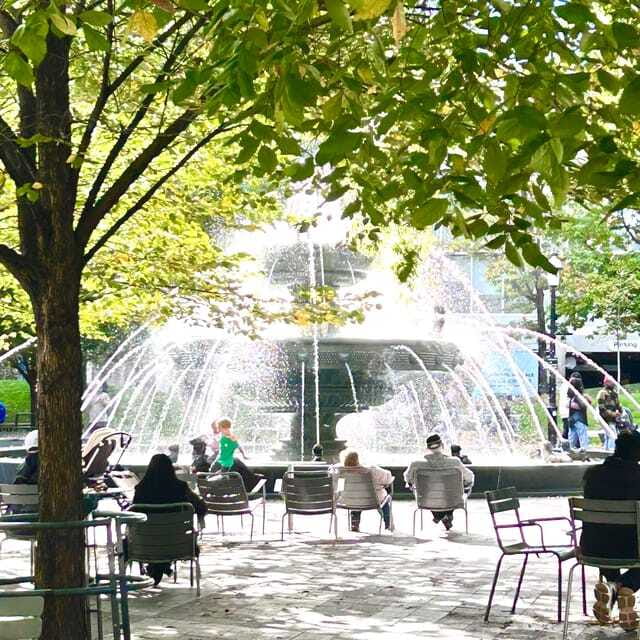
In the final third, you’ll shift into an area known as Old Toronto, associated with the city’s 19th-century boom. This part is valuable because it changes the mood from commercial downtown flow to a more historic streetscape feel.
You’ll notice the difference not just through buildings, but through rhythm. It tends to feel less like you’re walking through office connections and more like you’re in a neighborhood where people linger—especially around dining spots and older civic-style architecture.
If you like context—why one part of Toronto exists and how the city expanded—this is where the tour earns its “more than a highlights walk” reputation. It helps you connect what you saw earlier (skyscrapers, transit layers, entertainment zones) to what Toronto used to be before the modern core took over.
St. Lawrence Market finale: a top lunch plan in the heart of it
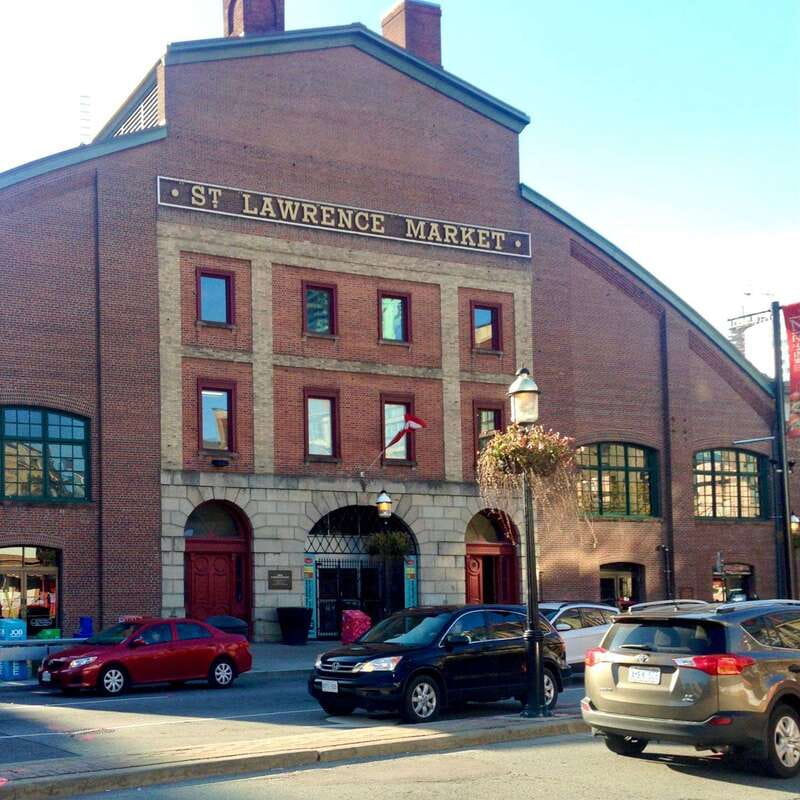
The tour ends at St. Lawrence Market, and it’s noted as ranking #1 in many world rankings. Even if you’re not a foodie, this stop is a strong way to cap a walking tour because it gives you an immediate reward: a place to eat and wander.
In the market, your guide will point out popular venues and foods you can find there. That’s practical. It saves you from the common problem of arriving at a famous food spot with no idea what to try first or how to spend your time efficiently.
You’ll also finish with that city-knowledge feeling—like you understand where you’ve been and what to do next. Ending at the market is smart because it gives your tour a natural “after this, you’re on your own” transition: either lunch now, or a quick re-scan of nearby streets with a clearer sense of direction.
How much you’ll walk (and what to pack)
This is a 3-hour downtown loop with a mix of outdoor streets and indoor/mostly underground walking in the PATH. The description calls for moderate physical fitness, and it’s not suitable for wheelchair users or people with low level of fitness.
So plan like a walker, not a casual browser. Wear comfortable shoes with decent grip and expect some sections to feel long, especially if the weather is poor and you’re moving through enclosed corridors.
What to bring is simple: a camera. That’s also good advice for your phone—charge it, and use it for reference shots of street corners and signage so you can retrace routes later.
Price and value: is $38 worth it?
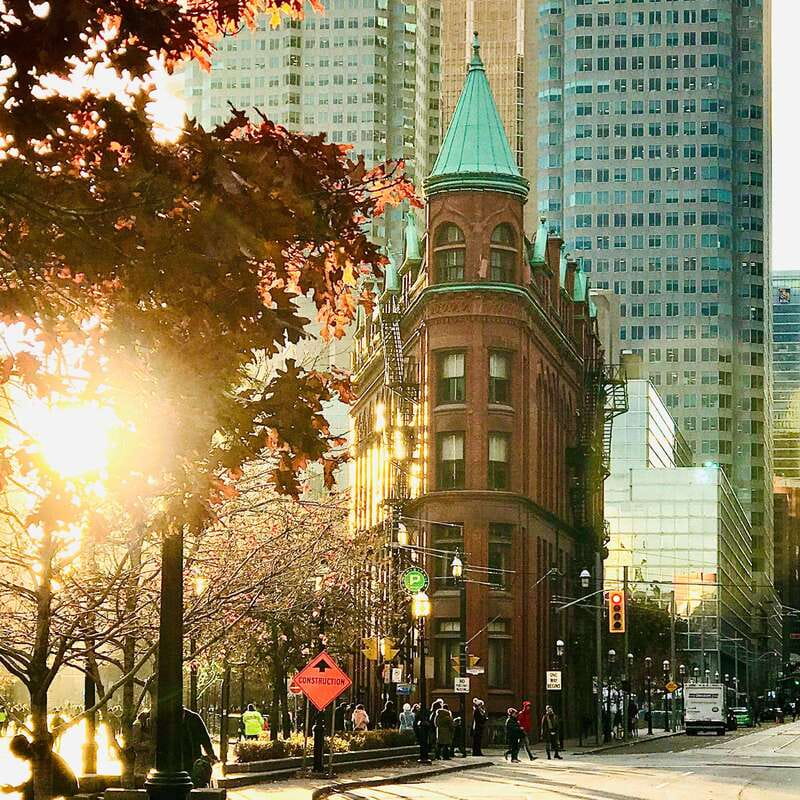
At $38 per person for a 3-hour guided walking tour, the value comes from more than “seeing sights.” You’re paying for a local guide who helps you read Toronto’s layout and gives you navigation strategy you can use immediately.
You also get entry access to multiple major downtown anchors, including Queen’s Quay Terminal, the PATH, Union Station, Brookfield Place, and St. Lawrence Market. That means you’re not only walking past places—you’re stepping into key parts of the city’s connection system.
Small group size (up to 10) matters here too. It’s the difference between hearing a few facts you forget and getting answers to your personal questions—where to go next, how to plan your day, and what to prioritize when Toronto feels huge.
If your goal is orientation and a clear game plan for the rest of your trip, this price is easy to justify. If you’re only looking for a quick photo run with zero walking, you may find it harder to “feel” the value.
The guide experience: humor, photos, and real conversation
One of the most praised aspects is the guide style: funny, story-driven, and interactive. In past groups, guides including Nick, Neil, Ram, Ken, Jason, Justin, and Dave have stood out for making the tour feel lively and easy to question.
A common pattern in those experiences is active engagement. For example, one guide structure included helping people introduce themselves to the group, which turns the walk into a social warm-up instead of a solo shuffle. Another approach used visual aids such as photo albums or flash cards to explain how Toronto changed over time.
You’ll also hear practical recommendations, not just facts. The tour includes guidance on the Toronto Islands—how to get there and what to do once you arrive—which is the kind of help that can save you from spending time guessing on your own.
And yes, guides often remember to keep things light. Humor shows up repeatedly, and it helps you stay alert even during longer stretches through the PATH.
Should you book this Toronto city walking tour?
I’d book it if you want a fast, organized first taste of downtown Toronto that helps you move around with confidence. It’s especially good if you’re curious about how the city connects—Entertainment District to waterfront, then the PATH, then historic Old Toronto, and finally St. Lawrence Market for a real ending.
I’d skip it or think twice if you dislike walking for an extended period or if your fitness level makes 3 hours of mixed walking difficult. Also, if you already know downtown well and you’re only chasing one specific landmark, you might prefer a shorter, single-site focus.
Overall, this tour is built for travelers who like structure, local perspective, and practical navigation. You’ll finish with a clearer mental map and an easier next day in Toronto.
FAQ
What is the duration of the Toronto walking tour?
The tour lasts 3 hours.
Where does the tour start?
It starts at the southwest corner of King Street West and Simcoe, beneath the small electronic billboard for Roy Thomson Hall.
What is included in the tour price?
The tour includes a 3-hour walking tour, a local English-speaking guide, and entry to Queen’s Quay Terminal, Toronto’s PATH, Union Station, Brookfield Place, and St. Lawrence Market. Food and drinks are not included.
Are CN Tower and Rogers Centre included?
No. Entry to the CN Tower and the Rogers Centre is not included.
Is this tour wheelchair-friendly?
No, it is not suitable for wheelchair users.
Do I get a full refund if I cancel?
You can cancel up to 24 hours in advance for a full refund.
More Toronto City Tours and CN Tower Trips
More Tour Reviews to line up around Toronto and Niagara



Not sure yet? Here is more to see and do across Toronto, just reviewed












More Toronto City Tours & CN Tower to size up.
 ★ 4.3City Sightseeing Hop-On Hop-Off Bus TourFrom $492,544 reviews
 ★ 5.0Niagara Falls Canada Open-Top (Wet) Jet Boat TourFrom $711,000 reviews
 ★ 4.5Toronto Premium Small Group Driving Tour with CN TowerFrom $128833 reviews
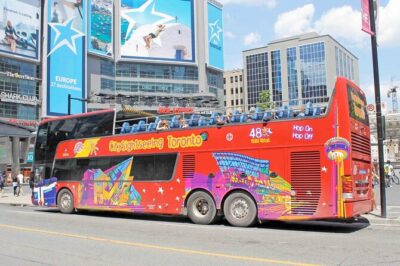 ★ 3.5City Sightseeing Toronto Hop-On Hop-Off Bus TourFrom $49726 reviews
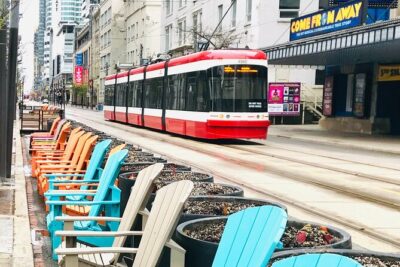 ★ 5.0Show me the City! A Small Group Walking Tour of TorontoFrom $39621 reviews
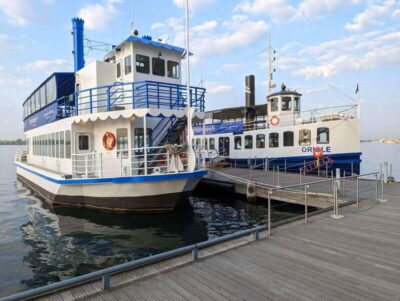 ★ 4.4City Views Harbor CruiseFrom $28557 reviews
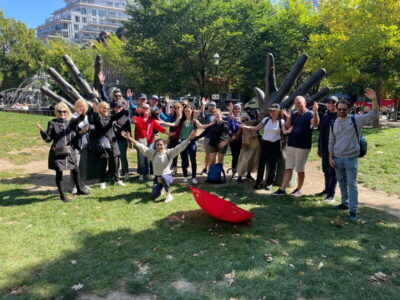 ★ 4.6City Highlights Walking Tour | 3-HourFrom $5306 reviews
 ★ 4.5Old Town Toronto Highlights 3 Hour Walking Tour | Gratuity-BasedFrom $5290 reviews
This tour also ranks in