
Reviewed · DOWNTOWN TORONTO WALKING TOURS
Toronto: Must Do NonTouristy Street Art Tour by local Artist
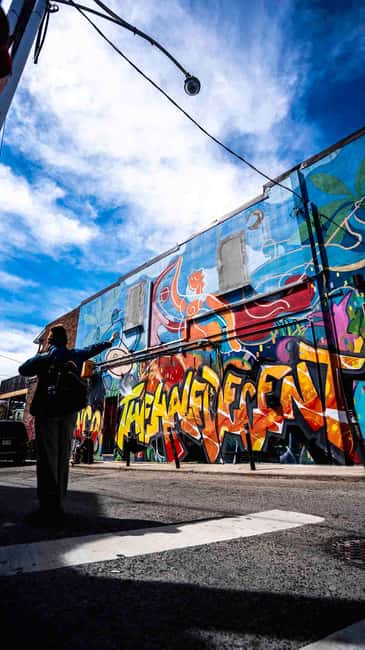
Street art is everywhere in Toronto—here’s the map. I love how local artist Chloe breaks down the techniques and the meaning behind the work. I also love that for $8, you get a guided walk through the less-touristy parts of College West and Dundas West, plus a practical list of places to eat and explore. The main thing to plan for is that it’s an outdoor walking tour—comfortable shoes and weather-ready clothing matter.
This isn’t a “stand and take a photo” loop. You’ll move in a zigzag pattern through streets and alleys, looking at everything from wheat pastes and sticker art to yarn bombing, graffiti, and big mural walls. It’s a small group (up to 10), so you can ask real questions without shouting over a crowd.
You end with something useful: an outdoor art gallery you can keep exploring on your own, using the guide’s recommendations. If you’re expecting wheelchair-friendly, low-stairs sightseeing, double-check logistics first—this tour is marked as wheelchair accessible, but it’s also listed as not suitable for wheelchair users and people with mobility impairments.
In This Review
- Key things to know before you go
- Why Dundas West on College West hits different
- Finding the meeting spot at 1430 Dundas St W
- The 2-hour route: what you’ll actually see
- Street-art techniques you’ll learn on the sidewalk
- Little Portugal to the art corridor: the practical walking vibe
- The cheat-sheet effect: what to do after the tour ends
- Price, time, and whether it’s good value for your trip
- Should you book this Dundas West street art walk?
- FAQ
- How long is the Toronto street art tour?
- How much does the tour cost?
- Where is the meeting point?
- What’s the easiest public transit option?
- What should I bring?
- What types of street art styles will I see?
- Is the tour wheelchair accessible?
Key things to know before you go
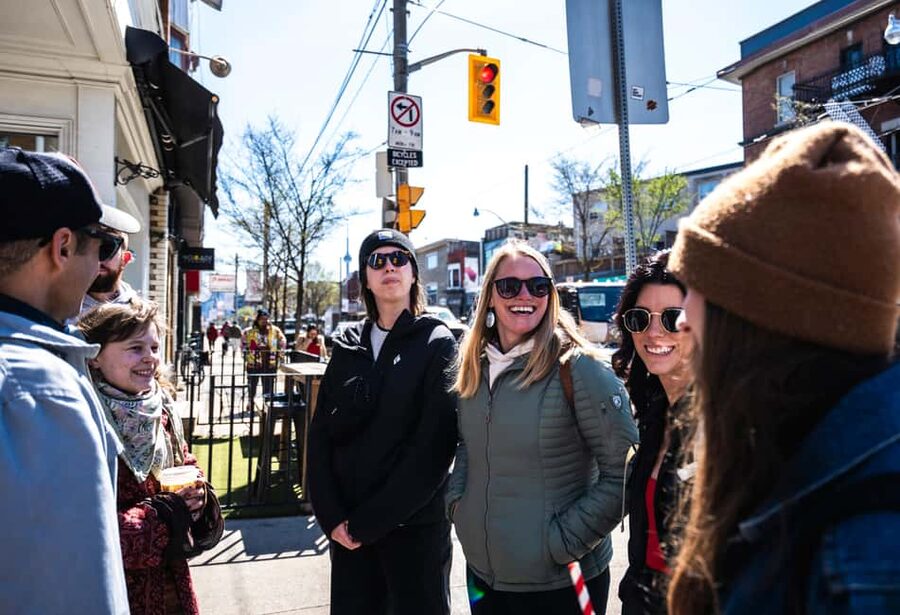
- Led by a real local artist: you’re guided by a street artist, not a generic tour script.
- You learn the street-art language: meanings, techniques, and what to notice as you walk.
- Dundas West is the art corridor: this area has become a go-to outdoor gallery over time.
- Many styles in one route: wheat paste, yarn bombing, stickers, graffiti, and classic painting.
- Small group, better Q and A: limited to 10 participants, so you can ask questions.
- A cheat-sheet for after: restaurant, bar, and gallery suggestions so you don’t lose momentum.
Why Dundas West on College West hits different
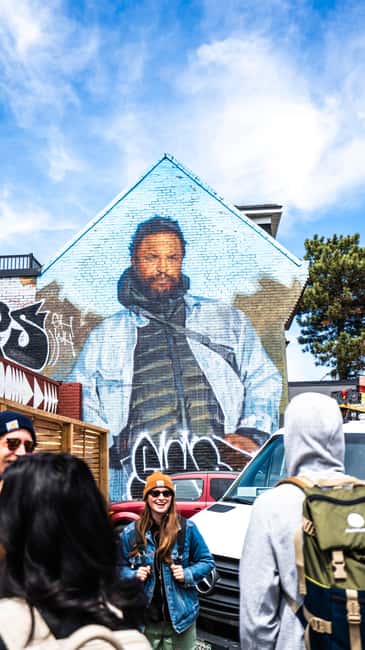
Dundas West isn’t just where street art shows up. It’s where the city’s street-art community has been shaping an actual corridor. Over time, you can see the influence of municipal and non-profit efforts, private sponsors, and yes, guerrilla art. That mix is part of what makes the area feel different from a one-off mural stop.
I like how this tour gives you a way to read what you’re seeing. You’re not just looking at color on a wall—you’re learning how artists build a message. Expect a range: small hidden installations that you could miss if you’re speed-walking, plus larger murals that dominate whole sections of streets.
It also helps that the tour avoids the usual tourist focus. You start closer to neighborhoods like Little Portugal and the College West/Dundas West edge, where the art feels woven into everyday life. For me, that’s where street art makes the most sense.
Lace up for more downtown Toronto walking tours around Toronto

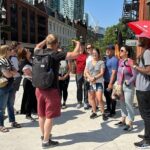
Finding the meeting spot at 1430 Dundas St W
Meet at 1430 Dundas St W, right in front of the Loveless Café & Bar. The key detail: stand on the sidewalk, not inside the bar. The start is at the Gladstone/Dufferin intersection area.
Getting there is straightforward:
- The Dundas Street West tram stop sits right on the corner.
- If you’re coming by subway, use the Green line (2) Bloor-Danforth to Dufferin station, then walk about 12 minutes.
Plan to arrive a few minutes early, especially if you want time to regroup. This walk is short (2 hours), so the guide doesn’t waste time once you’re moving.
The 2-hour route: what you’ll actually see
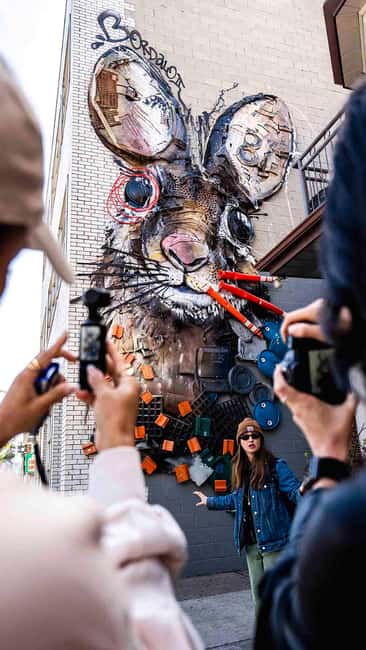
This walk is built around a zigzag path through streets and alleys, which is exactly how you’d explore the area on your own. The point isn’t speed. The point is noticing details that pop out when someone points them out.
You’ll start with an on-the-ground introduction near the Loveless Café & Bar. From there, you’ll hit a first cluster of street art works where the guide can set the framework: technique first, meaning second, and context always. This is where you learn what to look for—layers, materials, style choices, and how tags and characters can carry identity.
Next comes the transition toward Little Portugal. You’ll walk for about half an hour, and it’s not dead time. It’s the stretch where you start recognizing patterns in how artists use nearby surfaces—blank walls, side streets, and the in-between spaces that don’t get attention on busier tourist routes.
Then you’ll settle into another art-focused stop for about 30 minutes. This is where the variety typically shows up: classic painting techniques alongside graffiti, plus pieces that use different “street methods” like wheat paste, stickers, or yarn bombing. You’ll also hear what these approaches do to the viewer—how they change visibility, tempo, and tone.
The final segment keeps you moving through more outdoor gallery spots, balancing big, obvious murals with the kind of small installations that reward slowing down. Bring a camera if you care about documenting details—this is the kind of tour where the best shots aren’t always the biggest wall.
Street-art techniques you’ll learn on the sidewalk
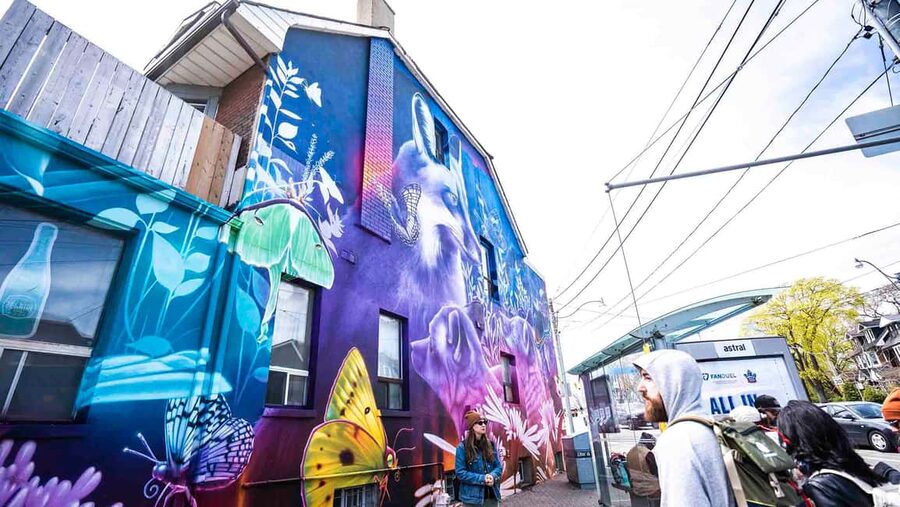
The biggest win here is how the tour explains craft. Street art can look like random decoration if you don’t know the logic. On this walk, you get that logic—how techniques affect what an artist can say and how long the message might last.
You’ll get examples across styles:
- Wheat pastes that can be layered and placed with intention.
- Yarn bombing that feels soft, playful, and sometimes surprising against hard city surfaces.
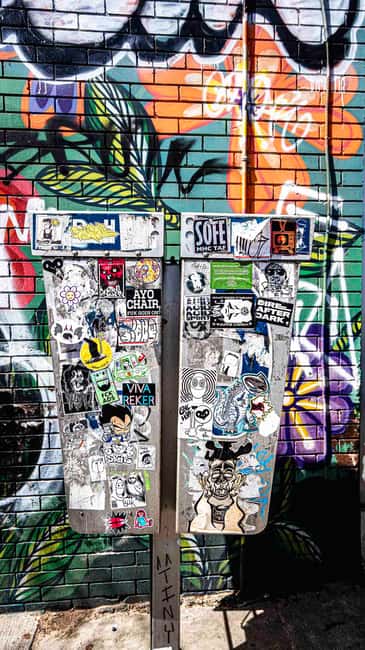
- Sticker art that travels through repetition and small-scale placement.
- Graffiti and classic painting techniques that rely on color control, line work, and wall choice.
The guide also talks meaning. That matters because street art often functions like public conversation. It can be humor, critique, identity, or a way of marking space. One thing I picked up from people’s experience: the tour leans into graffiti lingo and honest explanation. It’s not trying to sound fancy. It’s trying to help you see clearly.
A memorable detail from past participants is the mention of Sapien little figures—those small, cute characters that make you start scanning for hidden narrative elements instead of just admiring size.
Little Portugal to the art corridor: the practical walking vibe
If you like a tour that feels like real neighborhood walking, this one fits. You’re not on a charter bus. You’re on foot, moving at a pace that lets you look up and down and to the side.
Little Portugal matters here because it helps you understand how street art sits inside normal life. The area isn’t isolated from people’s routines. You’re seeing art along the same routes that locals use for errands, coffee, and dinner—so the art doesn’t feel like an attraction. It feels like part of the city’s voice.
The “outdoor art gallery” part is literal in your daily life afterward. Once you’ve trained your eye, you’ll notice how styles cluster. You’ll also start spotting the difference between something that’s meant to be found fast and something that rewards patience.
Just don’t treat it like a sprint. Wear comfortable shoes and expect a lot of turning corners and taking in alley details. The tour is only two hours, but the sidewalk time adds up.
A handful more Toronto tours and day trips worth a closer look
The cheat-sheet effect: what to do after the tour ends
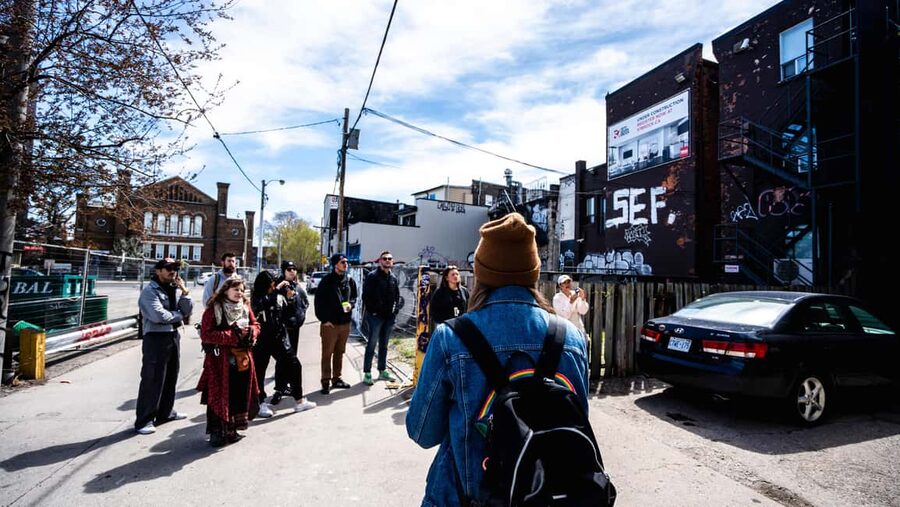
This tour doesn’t end at a wall and a quick goodbye. You get recommendations for restaurants, bars, and galleries—a sort of local cheat-sheet that keeps your day from stalling out after the walk.
The practical value here is simple: you’re leaving with a short list of places that match the neighborhood vibe you just learned about. People have even used the recommendations right away, which is a good sign when a guide is giving thoughtful suggestions instead of generic picks.
If you’re the type who likes to “keep going” after a tour, this is your nudge. You’re set up to explore the area again on your own, this time with context. Street art stops being random decoration and becomes a trail of decisions: what got posted, what got painted over, and what the artist wanted you to notice.
Price, time, and whether it’s good value for your trip
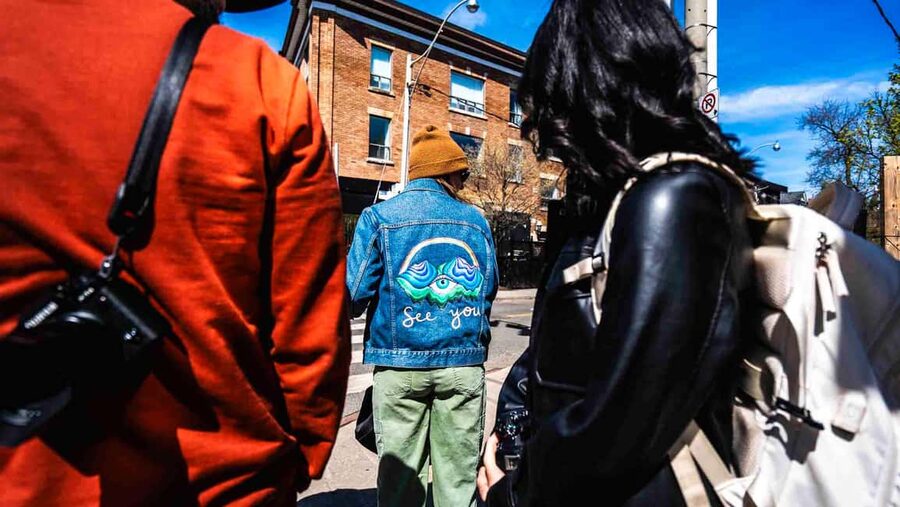
At $8 per person for a 2-hour guided walk with a local street artist, the value is hard to ignore. The cost doesn’t just buy you sight-seeing. It buys interpretation—technique, meaning, and a route through an area that takes longer to understand without help.
You also get a small group size (up to 10), which usually means better questions. And since you get a list of places to eat and explore, the tour can pay you back in momentum: fewer meals spent searching your phone map app like a lost commuter.
This tour is especially worth it if:
- You want street art that feels tied to real neighborhoods, not tourist checkpoints.
- You care about technique and meaning, not just photos.
- You plan to spend a chunk of time in this part of Toronto afterward.
The main consideration is walking. Bring water in summer and dress for winter like a Canadian in winter gear weather. Also note the information given: it’s marked wheelchair accessible, but it’s also labeled not suitable for wheelchair users and people with mobility impairments. If mobility is a factor for you, confirm with the provider before booking.
Should you book this Dundas West street art walk?
Book it if you want street art you can actually read. The mix of styles, the local artist guidance, and the practical recommendations list make the 2 hours feel like a real use of time, not just a quick “look-see.”
Skip it or ask extra questions first if you need a low-walking, minimal-alley experience. This one is built for sidewalks, turns, and looking closely. If that works for you, you’ll leave with a sharper eye for art all over Toronto.
FAQ
How long is the Toronto street art tour?
It runs for 2 hours.
How much does the tour cost?
The price listed is $8 per person.
Where is the meeting point?
Meet in front of 1430 Dundas St W, in front of the Loveless Café & Bar. It’s on the sidewalk at the Gladstone/Dufferin intersection, not inside the bar.
What’s the easiest public transit option?
For trams, the Dundas Street West tram stop is on the corner. For the subway, take the Green line (2) Bloor-Danforth to Dufferin station, then walk about 12 minutes.
What should I bring?
Wear comfortable walking shoes, bring water (especially in summer), and bring a camera.
What types of street art styles will I see?
You can expect to see wheat pastes, yarn bombing, sticker art, and also more classic painting techniques and graffiti in the area.
Is the tour wheelchair accessible?
The information provided lists wheelchair accessible, but it also states it’s not suitable for wheelchair users and people with mobility impairments. If you need mobility support, contact the provider to confirm what the route and walking demands will be for your situation.
More Downtown Toronto Walking Tours
More Tour Reviews to line up around Toronto and Niagara


Not sure yet? Here is more to see and do across Toronto, just reviewed












More Downtown Toronto Walking Tours to size up.
 ★ 5.0Show me the City! A Small Group Walking Tour of TorontoFrom $39621 reviews
 ★ 5.0Downtown Toronto Bike TourFrom $93336 reviews
 ★ 4.5Old Town Toronto Highlights 3 Hour Walking Tour | Gratuity-BasedFrom $5290 reviews
 ★ 4.7Private Walking Tour with a LocalFrom $43150 reviews
 ★ 4.5Old Town Toronto History Walking TourFrom $4122 reviews
 ★ 4.42-Hour Downtown Walking TourFrom $28101 reviews
 ★ 4.8Old Toronto by Beer: A Craft Brew AdventureFrom $7191 reviews
 ★ 4.9Brothels of Old Toronto Walking TourFrom $1971 reviews
This tour also ranks in