
Reviewed · DOWNTOWN TORONTO WALKING TOURS
Old Town Toronto History Walking Tour
Toronto gets darker on this walk. I love how this Old Town Toronto route mixes Victorian architecture with stories about murders, duels, plagues, and other moments you won’t find in a typical postcard tour. It’s short enough to fit an afternoon, yet it gives you a clearer picture of how this city grew from a small military outpost to a major urban hub.
My second favorite part is where it ends: St. Lawrence Market, plus a guide who can point you toward what to eat nearby right after the walk. The only drawback to plan for is the tour is timed and the guide can’t wait if you’re late, so you’ll want to find the meeting spot early.
In This Review
- Key points before you go
- Why this Old Town walking tour feels like good value
- Old City Hall: where Toronto’s ambitions take shape
- Holy Trinity Church: poverty, architecture, and a city that changed fast
- Old Town’s “Times Square” moment: chaos, commerce, and constant motion
- Mackenzie House: the first mayor, the survival of old homes, and the spooky factor
- St James Cathedral: spiritual power, fires, and rebuilding
- The Fort York connection: how Toronto grew beyond a military town
- St. Lawrence Market finish: plan lunch with a guide’s food instincts
- Pacing, group size, and what the walk is like in real time
- Guides you might meet: style matters more than you think
- Who should book this tour, and who might want to skip it
- Should you book this Old Town Toronto History Walking Tour?
- FAQ
- What time does the tour start and how long is it?
- Where do I meet the tour, and where does it end?
- Is the tour price fixed, or is it tips-based?
- How big is the group?
- What if I’m late to the meeting point?
- Is there free cancellation?
Key points before you go
- Tips-based format: you decide the value at the end, which makes the $4.45 ticket feel like a low-risk start
- 90-minute scope: enough time to see major Old Town landmarks without turning your day into a marathon
- Victorian + church stops: you’ll get architecture you can actually see and compare, not just dates on a sign
- Street-level Toronto atmosphere: there’s a segment that shifts into the loud, LED-filled commercial core
- Finish at St. Lawrence Market: plan lunch immediately after, since the tour ends there
- Small group size (max 30): easier to ask questions and stay together on a busy downtown route
Why this Old Town walking tour feels like good value
At $4.45 per person, the ticket price is almost an appetizer. The real design of the tour is that it’s tips-based, meaning you’re not paying for a strict, packaged performance. If the stories land for you and your guide keeps the group moving, you can reflect that at the end.
You also get the practical benefit of a guided loop that’s about 1 hour 30 minutes. That matters in downtown Toronto, where you can waste time trying to connect the dots by yourself. Here, you get a sequence of stops that makes the city feel like one story—from Fort York-era roots to later civic ambitions.
One more value point: the route is built around visible places—old civic buildings, churches, and market streets—so you’re not just hearing history. You can look at the structures, notice what survived, and understand why those spots mattered when Toronto was still forming its identity.
Lace up for more downtown Toronto walking tours around Toronto


Old City Hall: where Toronto’s ambitions take shape
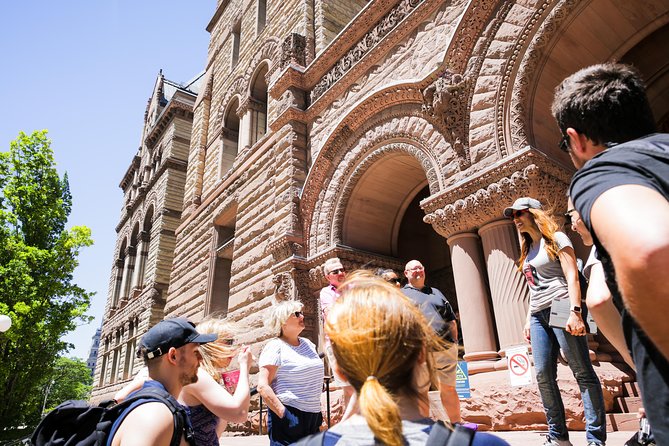
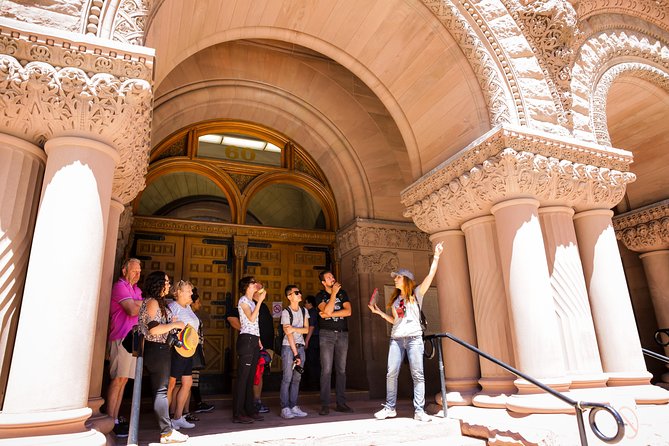
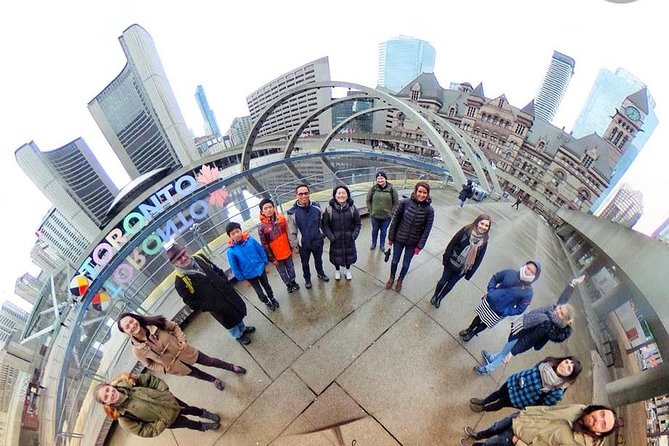
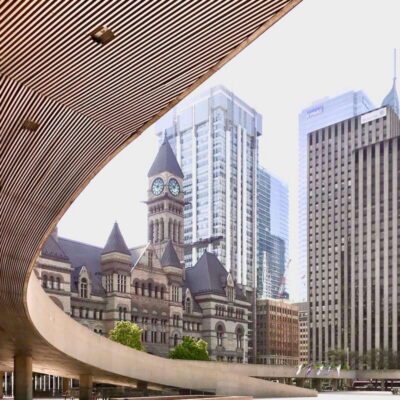
The tour meets at Old City Hall (60 Queen St W), and I like that it starts with a building that signals city power early. Guides use the site to explain how Toronto’s leaders planned for a bigger administration role while also showing the city’s Victorian-era aspirations.
Even if you’ve passed Old City Hall before, this starting stop helps you shift your mindset. You start thinking about Toronto as an evolving project: people funded buildings, fought over priorities, and tried to brand the city through stone and design. That setup makes the later church and house stops feel more connected, not random.
Practical note: this is a busy downtown area, and the exact meeting point matters. If you’re coming by transit, give yourself a few extra minutes to orient before the start time, because the guide can’t wait once the walk begins.
Holy Trinity Church: poverty, architecture, and a city that changed fast
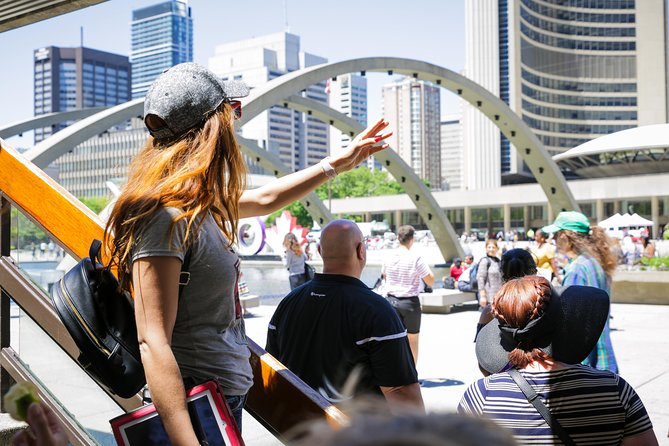
Next comes Holy Trinity Church, completed in 1847—and yes, that date is part of why this stop clicks. The guide frames it as a church built to serve poor residents in St John’s Ward, which grew into a slum around Toronto as it developed.
What I find useful here is the contrast: you see a religious building tied to real working conditions and then learn what happened later. The church was later demolished piece by piece, which is a reminder that some parts of the city didn’t get saved, even when they were important to everyday life.
Also, this is where the darker side of the tour’s storytelling usually shows up more clearly. If you’re in the mood for history that includes hard edges—murders, plagues, and the messy side of urban growth—this stop helps set the tone in a concrete way.
Old Town’s “Times Square” moment: chaos, commerce, and constant motion
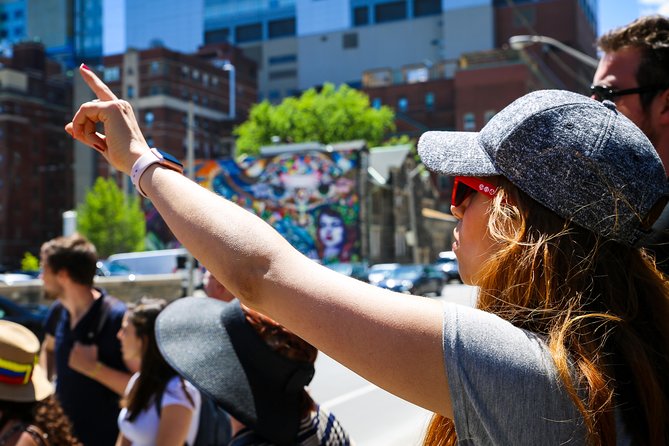
Midway, the walk shifts into what your guide calls the commercial heart of Toronto—often described as the Times Square feel. Expect LED screens, billboards, and a steady stream of street performers and hawkers.
This isn’t a random detour. It helps you connect history to today. Toronto’s core has always been a place where commerce and public life collide, and the guide uses that energy to talk about how the city operates now—and how it became that way.
If you prefer quieter storytelling, this section can be louder, especially when buskers are in full swing. Still, it’s a helpful reality check: you’re not stepping into a museum. You’re walking through the working streets where Toronto’s story continues.
Mackenzie House: the first mayor, the survival of old homes, and the spooky factor
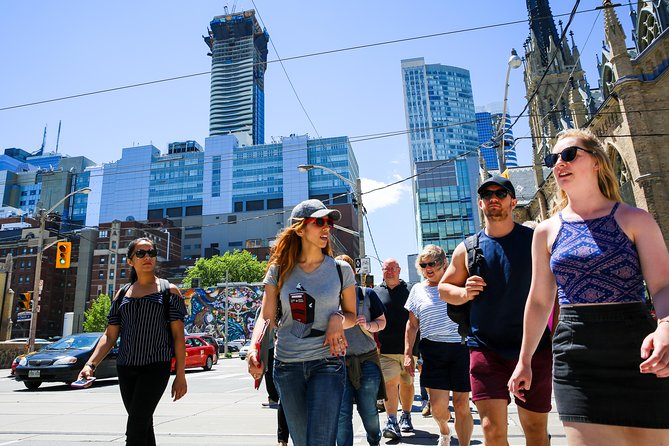
Then you get a very different stop: Mackenzie House, tied to Toronto’s first mayor. This is one of those moments where you can physically feel how long the city has been changing while still holding on to a few older structures.
You’ll also hear the story of how some people believe the house is haunted. Whether you treat that as folklore or just fun lore, it’s a good example of how guides make history stick—by mixing documented facts with local legend in a way that keeps the group engaged.
This stop works well for first-timers because it brings the civic story down to a personal level. Instead of only government buildings and big events, you’re looking at a home that represents early leadership in a growing city.
More walking tours to stroll on foot through Toronto




St James Cathedral: spiritual power, fires, and rebuilding
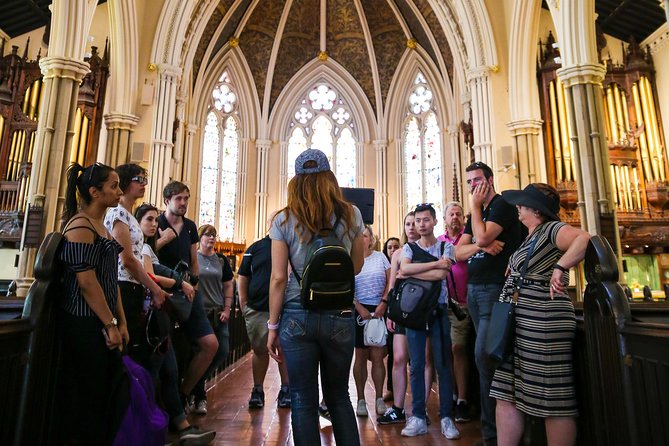
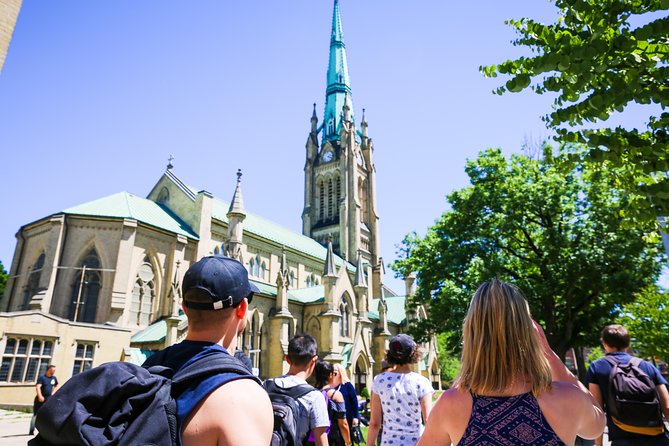
The tour continues to The Cathedral Church of St. James, an Anglican cathedral that served as a center for spiritual life for the wealthy and powerful. The guide frames it as a place with influence that extends beyond worship—through community status and political connection.
You’ll learn that the present building was completed in 1853, after a massive fire. That detail matters because it shows how cities don’t only grow; they get knocked down and rebuilt. Toronto’s identity, at least in Old Town areas, includes repeated cycles of destruction and recovery.
If you’re the type who likes architecture, this is a satisfying stop. Churches often make good teaching tools because you can compare design choices and understand how different eras wanted to signal stability and authority.
The Fort York connection: how Toronto grew beyond a military town
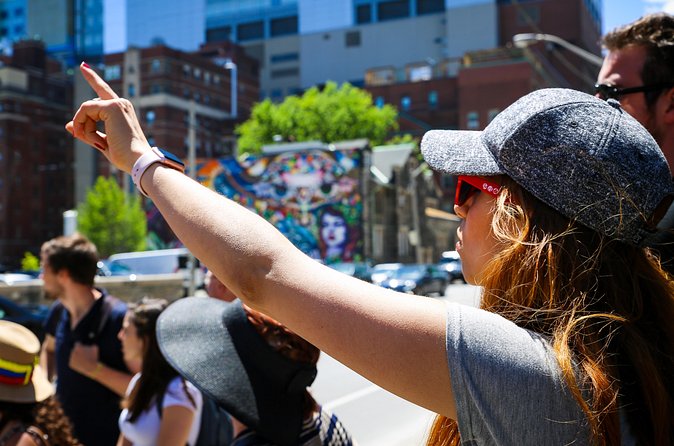
A big chunk of the walking route is where your guide ties the spots together by explaining Toronto’s earlier role as a small military town supporting Fort York. This is the kind of context that turns isolated landmarks into a timeline.
It also helps you understand why Old Town feels the way it does. When a city begins with a fort nearby, trade, housing, churches, and civic buildings tend to cluster around practical needs first. Over time, those choices evolve into bigger ambitions—Victorian civic identity, more formal institutions, and eventually a downtown that can handle the commercial pressure you see later in the walk.
If you only take one idea away, make it this: Toronto wasn’t designed in a day. It was assembled, rebuilt, and repurposed—sometimes gently, sometimes painfully.
St. Lawrence Market finish: plan lunch with a guide’s food instincts
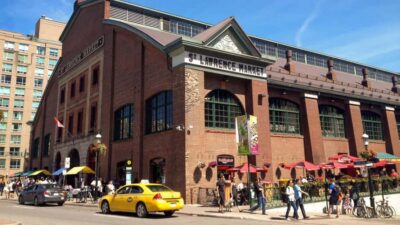
The tour ends at St. Lawrence Market, one of Toronto’s best-known food and shopping stops. National Geographic Traveller once called it the best market in the world, and even if you don’t track awards, the reputation is easy to understand once you reach the area.
Your guide usually doesn’t just drop you off and vanish. They can offer recommendations of what to eat, and that’s a real advantage because the market has plenty going on. Instead of wandering and guessing, you leave the walk with a shortlist and a sense of how to spend the next hour.
Timing tip that’s worth your attention: St. Lawrence Market is open Tuesdays to Saturdays. It’s closed on Mondays and civic holidays, so match your tour day to the market’s schedule if you want that seamless lunch finish.
Pacing, group size, and what the walk is like in real time
The tour is about 1 hour 30 minutes and capped at 30 travelers. That size usually works for downtown walking tours because it’s not so big that questions get lost, but it’s large enough to keep the energy up.
Most of the experience is an easy walk between older civic and religious sites, plus a commercial core stretch. You’ll spend enough time stopping for stories that it doesn’t feel like a quick photo sprint, but you won’t be stuck forever either.
Noise and movement are part of the deal in this part of Toronto, especially near the LED-heavy commercial area. If you know you’re sensitive to loud environments, wear headphones-free and keep one ear ready for the guide. A couple of guides on this route have handled tricky downtown noise well, keeping the group together without turning the experience into a scramble.
Guides you might meet: style matters more than you think
The tour is led by an English-speaking guide, and your experience can feel very different depending on delivery. In past tours, guides like Mike, Michael, David, Kieran, Michelle, Winnie, and Jennifer were singled out for being engaging and friendly, with people praising that the time flew.
That lines up with how walking tours work best. You want a guide who can answer questions and keep the tone moving, especially when the stories get darker. If you like history with personality—humor, quick pacing, and strong story flow—this tour tends to fit that taste.
If you prefer a more neutral lecture style, you might still enjoy it, but it helps to be open to a guide who speaks with conviction and takes the city’s identity seriously (including the moments where Canada and the U.S. get compared in modern commentary).
Who should book this tour, and who might want to skip it
Book this if you’re:
- Visiting Toronto for the first time and want Old Town context fast
- Interested in Victorian-era architecture and how it connects to institutions like churches and city government
- The type of traveler who enjoys stories that include murders, duels, and plagues, not just happy highlights
- Planning lunch after your walk and want the market recommendations built in
Skip it if:
- You hate group walking in active downtown areas with billboards, buskers, and constant foot traffic
- You need guaranteed quiet time or a low-stimulation route
- You’re likely to arrive late and don’t want to risk missing the start
This is also a good choice for Toronto residents who want a refresher. The route covers places that even locals can overlook when they’re busy doing everyday errands.
Should you book this Old Town Toronto History Walking Tour?
I’d book it if you want a short, story-forward introduction to Old Town Toronto that ends with real food options. The price makes it easy to try, and the tips-based setup means you only pay up what the experience feels worth to you.
Just go in with the right expectations: it’s downtown, it’s timed, and it includes hard-edged history. If that sounds like your kind of afternoon, you’ll leave with better city sense—and a plan for lunch at St. Lawrence Market.
FAQ
What time does the tour start and how long is it?
The tour starts at 1:00 pm and runs for about 1 hour 30 minutes.
Where do I meet the tour, and where does it end?
You meet at Toronto Old City Hall, 60 Queen St W, Toronto, ON M5H 2M3 and the tour ends at St. Lawrence Market, Toronto, ON M5E 1C3.
Is the tour price fixed, or is it tips-based?
It’s a tips-based tour, so you decide how much the experience is worth at the end.
How big is the group?
The tour has a maximum of 30 travelers.
What if I’m late to the meeting point?
The tour leaves on time, and if you’re late, the guide can’t wait.
Is there free cancellation?
Yes. You can cancel for a full refund with free cancellation up to 24 hours in advance of the experience start time.
More Downtown Toronto Walking Tours
More Tour Reviews to line up around Toronto and Niagara


Not sure yet? Here is more to see and do across Toronto, just reviewed












More Downtown Toronto Walking Tours to size up.
 ★ 5.0Show me the City! A Small Group Walking Tour of TorontoFrom $39621 reviews
 ★ 5.0Downtown Toronto Bike TourFrom $93336 reviews
 ★ 4.5Old Town Toronto Highlights 3 Hour Walking Tour | Gratuity-BasedFrom $5290 reviews
 ★ 4.7Private Walking Tour with a LocalFrom $43150 reviews
 ★ 4.42-Hour Downtown Walking TourFrom $28101 reviews
 ★ 4.8Old Toronto by Beer: A Craft Brew AdventureFrom $7191 reviews
 ★ 4.9Brothels of Old Toronto Walking TourFrom $1971 reviews
 ★ 4.9Experience PATH – A 32km/24mile underground walkwayFrom $2966 reviews
This tour also ranks in