
Reviewed · DOWNTOWN TORONTO WALKING TOURS
Toronto: Distillery & Old Town Private Walking Tour
Toronto’s best stories are on sidewalks.
This 2-hour private walking tour packs major Old Town sights into a compact route, and I like that it’s built around real places instead of a stop-and-go checklist. You’ll get a local’s take on Toronto’s shift from military outpost to modern metropolis, plus guided time at spots like Mackenzie House and the Cathedral Church of St. James. One thing to consider: since it’s a history-focused walk, you’ll want a guide who actually tells stories, not just walks points out.
I also appreciate the finish at St. Lawrence Market, because it’s not only a photo stop—it’s where the past and everyday city life feel closest together. Another strong plus is that the tour includes help to book attraction tickets if you want to go inside, even though entry fees themselves aren’t included. The possible drawback is timing: with an itinerary built around short guided visits, if you’re hoping for long museum-style exploration, you may want extra time on your own after the tour.
In This Review
- Key points worth knowing before you go
- Old City Hall and Old Town street corners: where the tour starts to make sense
- St. Lawrence Market: your best chance to feel local culture fast
- The Cathedral Church of St. James: a landmark you can read like a story
- Mackenzie House: power, politics, and the darker side of local memory
- Church of the Holy Trinity: connecting the city’s early roots to where you stand now
- Toronto Old City Hall: civic milestones and the thrill of the past
- How the 2-hour private format works (and how to plan without getting disappointed)
- Guide and language reality check: what to expect from English, French, Italian, Spanish
- Price and value: is $28 per person worth it?
- Who should book this Old Town walk
- Should you book this Toronto Distillery & Old Town private walking tour?
- FAQ
- Where does the tour meet?
- How long is the walking tour?
- What stops are included on the tour?
- Are tickets to monuments and museums included?
- What languages are offered?
- Is the tour wheelchair accessible and can it be private?
Key points worth knowing before you go
- Old City Hall + major churches: you’ll see landmark buildings that shaped Toronto’s civic and religious identity
- St. Lawrence Market as the finale: a practical way to end with local food and culture
- Short guided stops: about 20–25 minutes each, so you get orientation without getting tired
- Ticket help, not ticket costs: the guide can help you plan, but entry fees are on you
- Guide quality can vary: language and storytelling style matter more than you’d think on a short walk
Old City Hall and Old Town street corners: where the tour starts to make sense
The tour meets at 209 Yonge St, in front of Yonge Suite. From there, you’ll move into Toronto’s historic core and get the kind of context that makes later self-guided exploring click. This is one of those walks where the guide’s job is translation: taking stone, brick, and street layouts and turning them into a timeline you can remember.
What I like most is how the route uses a mix of civic and religious landmarks. That matters because early Toronto wasn’t just buildings—it was institutions. When you connect Old Town’s civic sites to churches like the Cathedral Church of St. James and the Church of the Holy Trinity, you start seeing how community power and daily life formed in parallel.
Expect plenty of photo stops too. If you’re coming for pictures, this isn’t just a “stand here, move on” arrangement. The guide typically gives you enough story to frame what you’re looking at, so your photos don’t feel random afterward.
Practical tip: wear comfortable shoes. You’re doing a steady walking loop, and the best way to enjoy it is to stay present instead of trying to rush your way through.
Lace up for more downtown Toronto walking tours around Toronto


St. Lawrence Market: your best chance to feel local culture fast
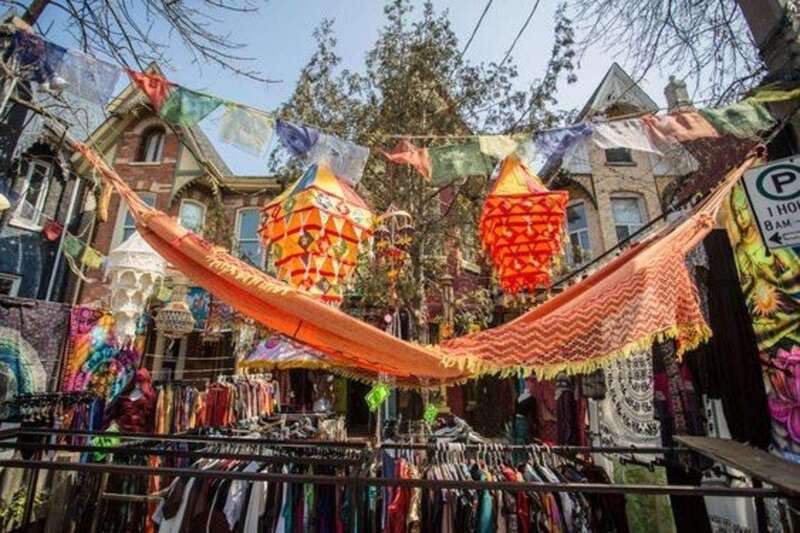
You’ll start (and clearly get priority) at St. Lawrence Market. Even if you’ve seen photos online, this is the kind of place where the energy hits you in person—busy lanes, lots of vendors, and people treating the market like a routine part of their day.
I love how the tour treats the market as culture, not just scenery. You get a guided look that sets up what to notice as you walk: what the area has meant over time, and why it still functions as a hub for commerce and community life.
And here’s a smart, practical angle. The market is also a great place to calibrate your appetite for the rest of the day. If you want something quick before you continue sightseeing, this is a natural moment. If you prefer to save your budget, you can still do the full walking tour and then decide later.
One note: depending on your pace and the guide’s style, you might spend more time browsing than you expect. That’s not bad—just come with the mindset that this stop is meant to be lived in for a bit.
The Cathedral Church of St. James: a landmark you can read like a story

Next up is the Cathedral Church of St. James. The tour frames it as a towering symbol of Toronto’s religious heritage, and that’s exactly how it feels when you’re standing near it—big presence, strong silhouette, and a sense that it’s been part of the city’s public life for a long time.
What you’ll likely get from a good guide here is interpretation. Buildings like this don’t just sit there; they represent how communities organized belief, ceremony, and belonging. So even if you’re not a cathedral person, you’ll come away with a clearer sense of what these places meant when Toronto was developing.
The guided time helps you notice details you might otherwise skip. You’ll get a mix of viewing, short walking segments, and story time, which is perfect for a 2-hour format. It’s also a nice change of pace: less about street-level bustle, more about monument-scale presence.
If you care about interiors: the tour information says entry to monuments and museums isn’t included, but the guide can help you book tickets. So you can plan to go inside if you want, without derailing your schedule.
Mackenzie House: power, politics, and the darker side of local memory
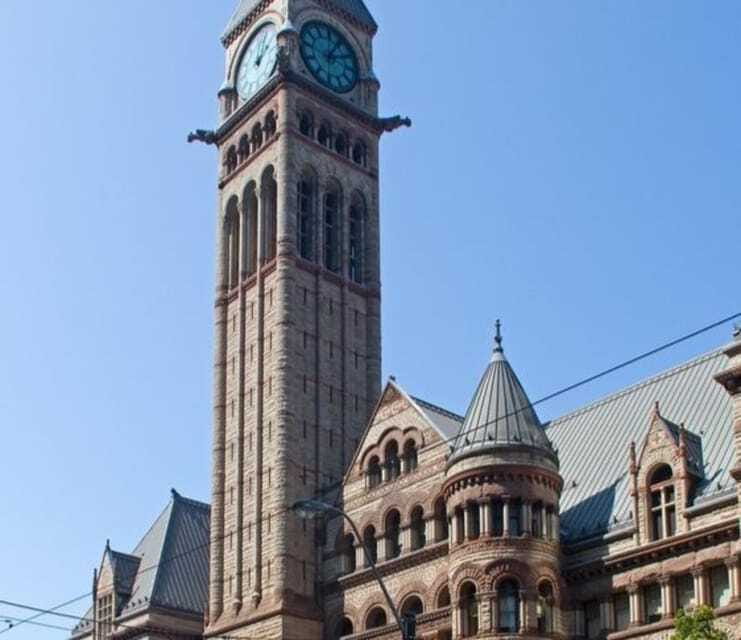
Then you’ll move to Mackenzie House. This is where the tone shifts toward political history and the personal stakes of leadership. The tour describes it as home to a former mayor with a haunting legacy. Whether you find that phrase heavy or intriguing, it signals the kind of storytelling you should expect: not just dates, but consequences.
This stop is valuable because it connects a person to a place. When a guide ties architecture and location to leadership decisions, the city starts to feel less like a collection of landmarks and more like a chain of choices. For first-time visitors, that can be the difference between remembering where you went and understanding why it mattered.
At the same time, it’s a good reality check. Some guides may lean more toward history talk, while others keep it light. Since the tour is short, you’ll feel that difference quickly. If you want strong narrative history, this is the stop where you’ll want your guide fully switched on.
Tip: if you like photos, Mackenzie House is also a nice one to pause for. Take a couple wide shots and one close detail photo. You’ll use those later when you try to recall the story.
Church of the Holy Trinity: connecting the city’s early roots to where you stand now
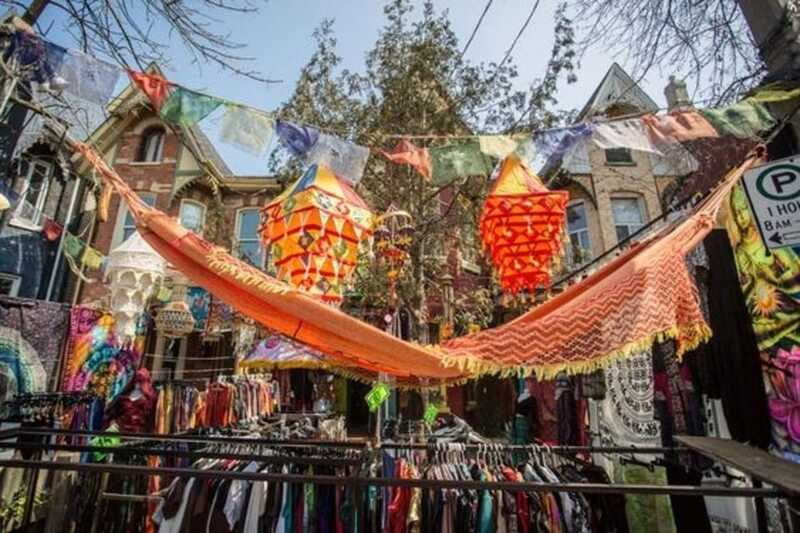
The Church of the Holy Trinity is presented as a pivotal site in Toronto’s early development. That phrasing matters because it gives you a framework: this isn’t just a stop for religious architecture; it’s part of the origin story of the city itself.
The bigger theme the tour highlights is Toronto’s evolution—from a military outpost into the metropolis you walk today. A church is a useful anchor for that kind of shift. Early communities often organized around places of worship, social connection, and public gatherings. So when you connect Holy Trinity to the city’s early structure, you start seeing why later neighborhoods and institutions formed the way they did.
This is also where the tour’s guide storytelling can either land well or feel thin. A strong guide will tie the site to how ordinary life changed as the city grew. A weaker guide might just point out the building. So if this stop feels too quiet or surface-level, it’s your cue to ask your guide for one extra anecdote—something about daily life or why this place mattered.
Wander more of the Distillery District on our other tours near Toronto





Toronto Old City Hall: civic milestones and the thrill of the past

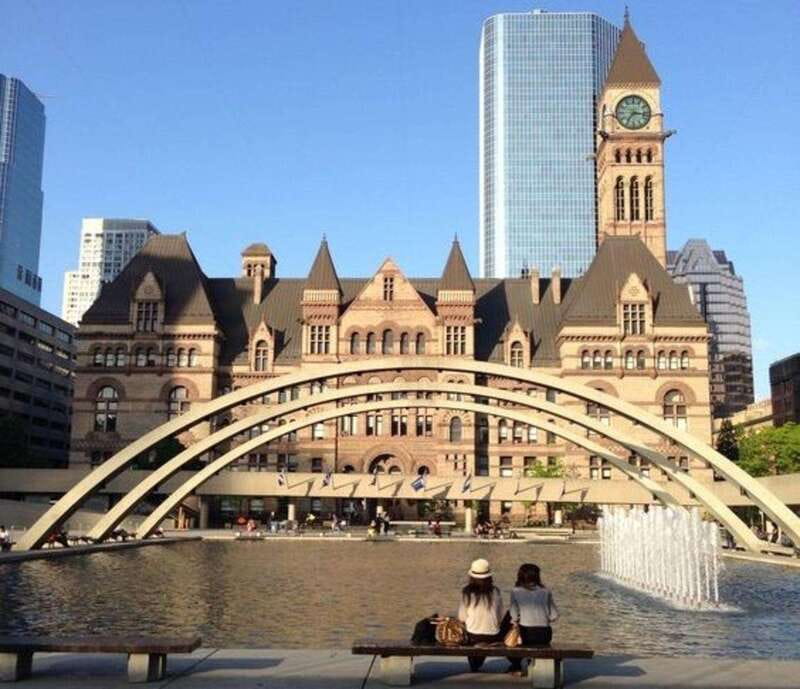
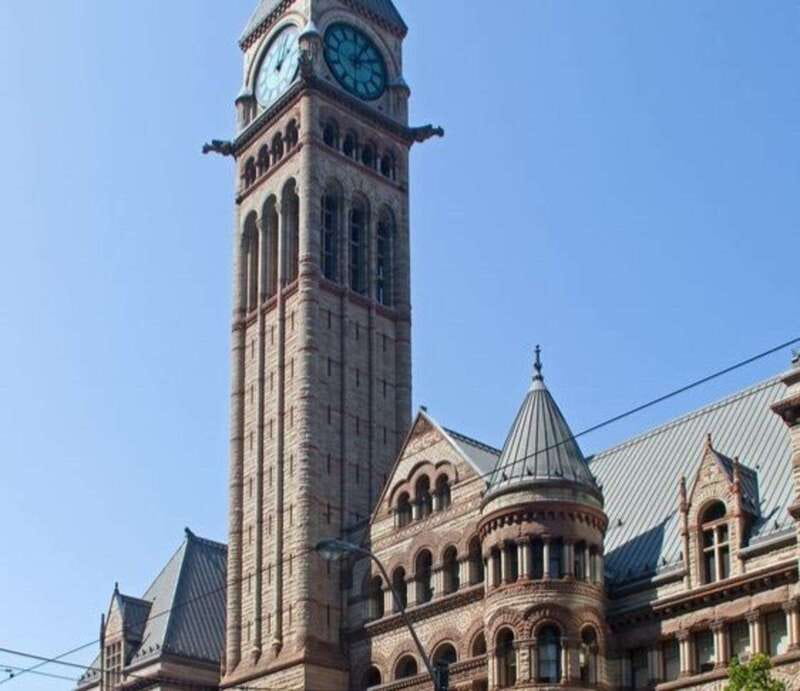
You’ll finish your landmarks loop with Toronto Old City Hall. The tour describes it as an architectural gem with tales of notorious duels and civic milestones. That combination is a smart trick for history tours. Duels make the story memorable. Civic milestones make it meaningful.
When you’re standing outside or viewing the building’s presence in context, it’s easy to understand why cities use civic architecture as symbolism. City Hall buildings tend to reflect how leaders wanted to project order, authority, and identity—especially during periods when the city was still figuring out its future.
If your guide leans into the dramatic parts (the duel stories), you may find it easier to remember the whole sequence. If your guide balances drama with civic context, you’ll likely walk away with a deeper grasp of how Toronto organized itself as it grew.
Practical thought: this is a good place to ask one of your own questions, like what changed politically or socially as Toronto expanded. You’ll likely get a better answer here than you would later on your own.
How the 2-hour private format works (and how to plan without getting disappointed)
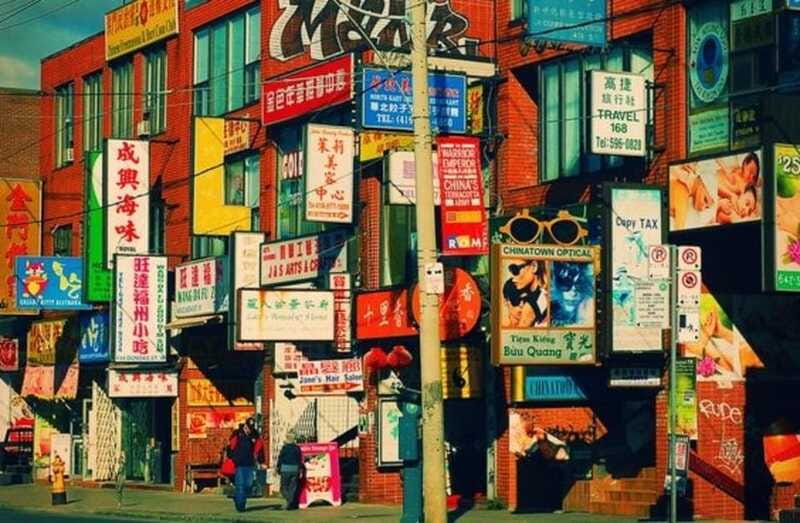
A major reason to choose a guided walk over a solo route is time efficiency. In two hours, you don’t want to get stuck waiting, and you don’t want to spend the day commuting between far-apart sights. This tour keeps the movement tight and builds in short guided visits at each stop.
You’ll see a pattern: photo stop, quick guided time, then walking segments that connect the dots. The schedule is structured enough that you get orientation fast, but flexible enough that you can pause for photos and questions.
Tickets are the one planning detail you should watch. The tour includes guide support and help booking tickets, but entry to monuments and museums isn’t included. That means you should treat the outside views and guided context as the core experience. If you want interior time, plan for additional costs and time on top of the 2-hour walk.
Private group availability is also a real value factor. If you’re traveling with friends or family, private formats often make it easier to ask questions and steer the pace. For couples or small groups, this can feel like a “do it right” introduction without the crowd pressure.
Guide and language reality check: what to expect from English, French, Italian, Spanish
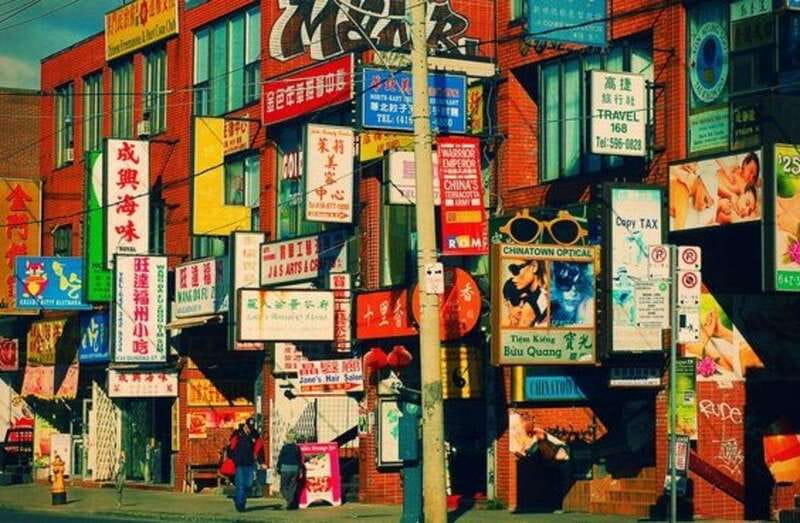
The tour runs with live guides in English, French, Italian, and Spanish, and it’s wheelchair accessible with private group options. That’s a big plus for travelers who need specific language support or mobility-friendly logistics.
One practical caution: with a short tour, the guide’s storytelling style matters more than on a full-day excursion. Some guides keep things more anecdotal and chatty; others may be more factual and architectural. Either approach can be good, but if you strongly want history stories tied to each stop, ask early for more than just basic directions.
Language mix is another thing to think about. If you book in French, some versions may include a half-and-half approach with English. If you don’t want any English during the tour, it’s worth confirming your expectations ahead of time.
This is also where your expectations should be clear. The tour is designed to help you understand what you’re seeing. If you’re looking for long museum depth, you’ll want to add a follow-up stop. If you want a strong orientation to Old Town and how it connects to the market area, it’s a solid fit.
Price and value: is $28 per person worth it?
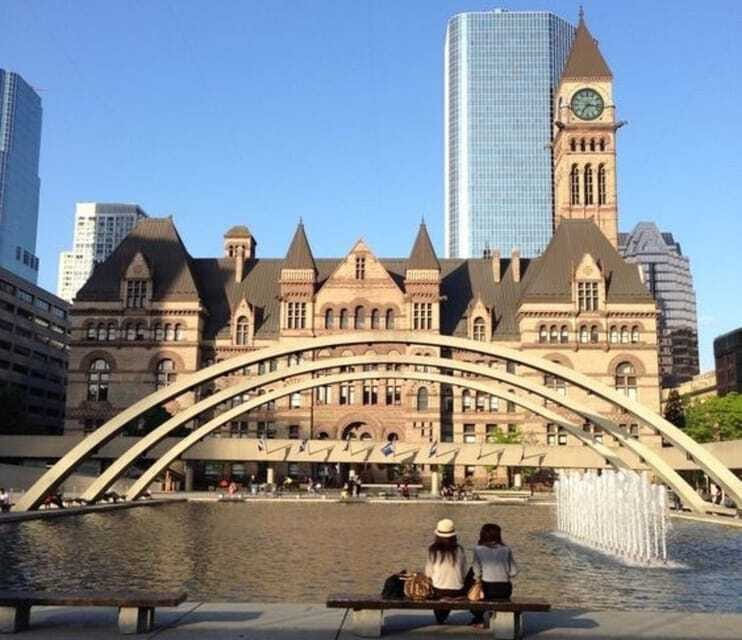
At $28 per person for 2 hours, the value question is simple: are you buying time and context, or just paying for a walk?
You’re buying more than a route. The included guide time, the guided visits at key sights, and the ability to get help with ticket booking all reduce your planning friction. For first-time visitors, that usually pays off because you learn what matters fast, and you don’t waste time figuring out what’s worth your attention.
Is it worth it if you’re the kind of traveler who loves to read plaques and plan routes with an app? Maybe not. You could piece together a similar walk on your own. But you’d miss the guide’s local perspective and the quick historical linking that makes the area feel coherent.
So I think this price works best when:
- you want a structured introduction in a limited amount of time
- you enjoy history stories tied directly to buildings you’re seeing
- you want a local to point out what to look for, especially at churches and civic sites
If you’re on a tight budget and already know Toronto’s layout, you might prefer self-guided. Otherwise, $28 for a focused guide-led orientation is a fair deal.
Who should book this Old Town walk
You’ll likely enjoy this tour if you:
- are visiting Toronto for the first time and want a fast sense of Old Town
- like walking tours that connect places to stories, not just photos
- want a guided stop at St. Lawrence Market without turning the whole trip into a food-only plan
- prefer a compact 2-hour format over half a day
It may not be the best fit if you want deep museum time, extensive interior visits, or a long leisurely pace. It’s a walk with clear stops, and the whole point is getting you oriented quickly.
Should you book this Toronto Distillery & Old Town private walking tour?
If you want a practical, guided introduction to Toronto’s Old Town landmarks—plus a meaningful market experience—this is an easy yes. The structure is tight, the stops are varied (civic, religious, political), and the St. Lawrence Market finale gives your day a real taste of present-day city life.
I’d book it especially if:
- you’re traveling with limited time and want maximum context per hour
- you care about how Toronto evolved from early roots into the city you’re walking today
- you’ll appreciate photo stops and guided interpretation more than long museum time
If you’re very picky about tour storytelling or you’re sensitive to language mixing, do a quick check on the language approach before you finalize. When the guide’s on form, this kind of short private walk can be one of the most efficient ways to understand Toronto fast.
FAQ
Where does the tour meet?
The meeting point is in front of Yonge Suite at 209 Yonge St.
How long is the walking tour?
The tour lasts 2 hours.
What stops are included on the tour?
You’ll visit St. Lawrence Market, the Cathedral Church of St. James, Mackenzie House, the Church of the Holy Trinity, and Toronto Old City Hall.
Are tickets to monuments and museums included?
No. Entry to monuments and museums is not included, though the guide can help you with booking tickets for places you want to visit.
What languages are offered?
The live tour guide is available in English, French, Italian, and Spanish.
Is the tour wheelchair accessible and can it be private?
Yes. The tour is wheelchair accessible, and private group options are available.
More Downtown Toronto Walking Tours
More Tour Reviews to line up around Toronto and Niagara



Not sure yet? Here is more to see and do across Toronto, just reviewed












More Downtown Toronto Walking Tours to size up.
 ★ 5.0Show me the City! A Small Group Walking Tour of TorontoFrom $39621 reviews
 ★ 5.0Downtown Toronto Bike TourFrom $93336 reviews
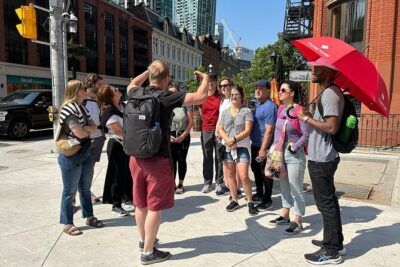 ★ 4.5Old Town Toronto Highlights 3 Hour Walking Tour | Gratuity-BasedFrom $5290 reviews
 ★ 4.7Private Walking Tour with a LocalFrom $43150 reviews
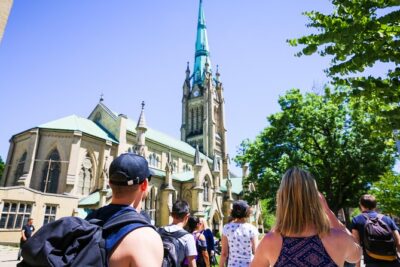 ★ 4.5Old Town Toronto History Walking TourFrom $4122 reviews
 ★ 4.42-Hour Downtown Walking TourFrom $28101 reviews
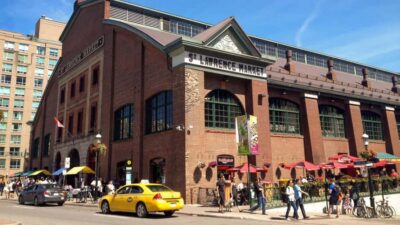 ★ 4.8Old Toronto by Beer: A Craft Brew AdventureFrom $7191 reviews
 ★ 4.9Brothels of Old Toronto Walking TourFrom $1971 reviews
This tour also ranks in