
Reviewed · NIAGARA FALLS DAY TRIPS FROM TORONTO
Niagara Peninsula: a Smartphone Audio Driving Tour
A Niagara road trip with a brains-on soundtrack. This smartphone audio driving tour strings together big-name sights and off-the-radar stories, using your phone as the narrator. I especially like the no-signal design and the variety—gorge power, farm treats, canal engineering, and war history in one loop. One thing to plan for: you need a solid connection at the start to download, and phone setup can take a little fiddling before you get rolling.
At $8.95 per group (up to 15 people) for about 3 to 4 hours, it’s priced like a snack, not a big tour ticket. It also helps that it’s private (just your vehicle) and you can take your time with no strict clock. The main trade-off is simple: this is a self-paced drive, so you’ll need your own car and the patience to stop and start often.
In This Review
- Key Points You’ll Actually Care About
- Offline Smartphone Audio That Does the Driving-Story Work for You
- Price and Time: How $8.95 Adds Up for a 100-ish Mile Day
- From Niagara Falls Floral Clock to the Whirlpool’s High-Velocity Power
- Niagara’s Conservatory and 99 Acres: Where the Walking Feels Worth It
- Farm Goods and Battlefield Stories Around Niagara-on-the-Lake
- Upper Canada, Then a Zoo Stop That Feels Like a Local Cheat Code
- Welland Canal Engineering: Ships, Locks, and the Water-Level Question
- Balls Falls, Harriet Tubman’s Church, and the Log Cabin Detail That Lands
- Port Promenade, Bridge 21, Lock 8, and the Benchlands Road-Fare Plan
- United Empire Loyalists, Hydro Towers, and Migrating Birds in a Single Stretch
- Fort Erie, Safari Niagara, and Navy Island’s Rebellion Ground
- Wainfleet Wetlands and the International Railway Bridge: Nature Gets the Final Say
- Practical Tips for a Smooth Drive (No Tech Panic Required)
- Should You Book This Niagara Peninsula Smartphone Audio Driving Tour?
- FAQ
- How much does the Niagara Peninsula smartphone audio driving tour cost?
- About how long does the tour take?
- Do I need cell service during the tour?
- What do I need to use the tour?
- Is this tour private, and do we need multiple bookings for one car?
- Where do we start and end?
- Can I cancel and get a full refund?
Key Points You’ll Actually Care About

- Offline audio after download means you can keep driving without worrying about service.
- One booking per vehicle makes it easy for families or friends traveling together.
- Frequent “get out and look” stops turn a drive into a real sightseeing plan.
- History + nature + food shows up again and again, not just at one highlight.
- Turn-by-turn guidance is built into the audio, not dependent on other mapping apps.
Offline Smartphone Audio That Does the Driving-Story Work for You
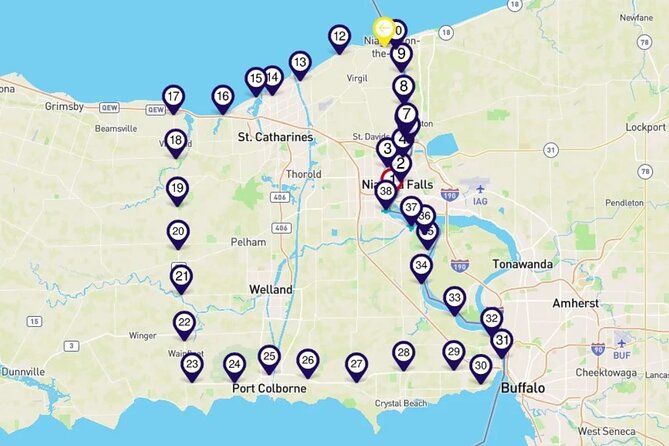
This tour works because it treats your car like your basecamp. You start at 5900 Niagara River Pkwy, Niagara Falls, then follow the route as the audio tells you what to look for and when to pause. After the initial download, the experience is designed to run without needing data or signal—so you aren’t stuck hunting for bars while you’re trying to find the right overlook or pull-off.
I love that approach, because Niagara is busy. Between parking lots, crowds, and the constant feeling of missing something while you stare at your phone, offline audio keeps you focused on the road and the views. I also like that it’s offered in English, so you’re not fighting language choices while you’re trying to enjoy the day.
Still, don’t underestimate the front-end setup. One review mentioned spending 20–40 minutes getting the app and audio directions working on an iPhone. That’s not typical timing for every device, but it’s a smart reminder: start early in the day and give yourself a cushion so the rest of the drive stays smooth.
We have more Niagara Falls day trips that run straight out of Niagara Falls and Around



Price and Time: How $8.95 Adds Up for a 100-ish Mile Day
Let’s talk value, because $8.95 can sound too good—until you realize what you’re buying. The price is per group (up to 15 people), so the cost per person drops fast if you’re traveling with anyone who’s willing to share a vehicle. And since it’s private for your group, you’re not stuck matching your stops to other people’s pace.
Time-wise, plan on 3 to 4 hours on average. That’s long enough to make meaningful stops, but short enough that it doesn’t feel like a whole-day commitment. Also, there are no time constraints—you can slow down for photos, take a longer break at the food shop, or linger at a viewpoint if the light is good.
If you want a shortcut to decision-making: this tour is best when you already plan to drive around Niagara anyway. If your whole day is mostly walking in one town, you might get more value from a guided walking tour instead.
From Niagara Falls Floral Clock to the Whirlpool’s High-Velocity Power

You begin near the Niagara River Parkway, and the first stretch is all about orientation. It’s the kind of start that helps you later, because once you know how the river, gorge, and falls relate, the rest of the route makes more sense.
Here are the early hits you’ll encounter:
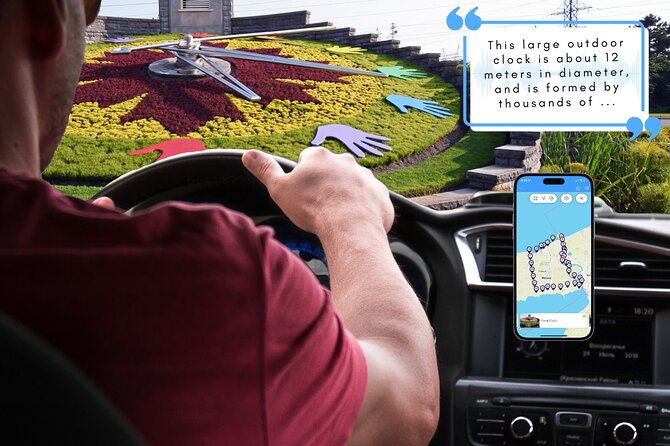
- Floral Clock (created in 1950): One of the largest in the world, with a different floral design each year. This is a quick way to get into the Niagara mindset without needing a ticket or a big hike.
- Niagara Gorge: You get the story behind why thrill seekers used to flock here. You don’t just see rock and water—you get context for what made people risk life and limb.
- The Whirlpool: The audio explains how high-velocity water downstream helps shape the whirlpool. It’s a nice moment where the science tone stays approachable.
Then the route moves into the greener side of Niagara:
- Conservatory glass dome: The dome covers 11,000 square feet of jungle-like space with meandering pathways and cooling waterfalls. It’s cooler inside than the outside air, and it’s a good stop if you need a break from bright sun.
- The surrounding flower grounds (99 acres): You’re looking at flowers, trees, aromatic herbs, plus paths and benches so you’re not stuck standing.
The practical upside here: these stops are spaced in a way that works even if you’re traveling with people who don’t all want the same intensity of sightseeing.
Niagara’s Conservatory and 99 Acres: Where the Walking Feels Worth It

Once you’re inside the glass dome conservatory, the experience is more than scenery. The layout—paths, waterfalls, and a controlled climate under glass—makes it easy to explore at a relaxed pace. This is the kind of stop where you can slow down without feeling like you’re “falling behind.”
Then you step back into the outdoors for the 99 acres around it. Even if you’re not a hardcore plant person, the audio’s focus on what you’re looking at keeps the walk from turning into just another scenic stroll. Benches matter here. They let you take a breather and let the rest of the peninsula stories land.
One drawback to be aware of: the tour recommends attractions, and some may be closed or inaccessible due to season or circumstances beyond control. So if conservatory hours or seasonal garden access are critical to your plan, keep your expectations flexible and focus on the audio points even when you can’t access a specific spot.
Farm Goods and Battlefield Stories Around Niagara-on-the-Lake
After the Niagara Falls area, the tour shifts gears—food, wine, architecture, and war history start sharing the same driving day.
Here’s what stands out:
- Walker family shop (fresh fruit, jams, pies, butter tarts, boxed lunches): The big value is the sourcing. The audio frames it as farm-based, so you’re not just buying snacks—you’re connecting the stop to how the region produces food. If you want a real taste moment, this is it.
- War of 1812 historic park: You’ll hear about the British Regulars, Canadians, and First Nations allies pushing back an American invasion. The location turns the story from abstract history into something you can picture while you’re standing on the land.
- Redan Gun: The audio explains what the term refers to. That little bit of translation matters because without it, a historical feature can feel like a random cannon part.
- Wine country: You don’t need to compare Niagara to Napa to enjoy the stop. The point here is learning how local wine fits into the region’s identity and landscape of stops.
You’ll also see architectural and small-town character moments:
- A Georgian manor (impressive residence): The audio positions it as Niagara’s finest residence at one time, so you understand why it’s worth your time to pull over.
- The tiny church claim: You’ll hear locals describe it as the smallest church in the world, with four pews, a tiny apse, and two Bibles. It’s short, memorable, and oddly satisfying when you’re hunting for something different from the standard Niagara checklist.
More self-guided tours to set your own pace in Niagara Falls and Around

Upper Canada, Then a Zoo Stop That Feels Like a Local Cheat Code
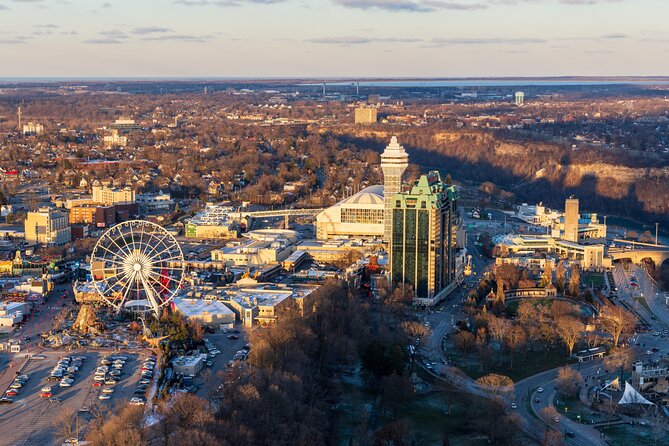
Next comes Niagara-on-the-Lake as a story hub. The audio frames the town as a former capital of Upper Canada and adds that some locals consider it the prettiest town in Ontario. Even if you’re skeptical of superlatives, that setup primes you to pay attention to streetscapes, building styles, and the overall “old town” feel.
Then the route makes a smart pivot to family-friendly variety:
- City-owned zoo in Saint Catherines: It’s free, with farm animals, parkland, picnic area, playground, walking trails, and ponds with waterfowl. This is a practical choice when you want something calmer than the falls but still worth stopping for.
If your group includes kids, this free zoo stop is one of the best “value per minute” moves on the whole driving day.
Welland Canal Engineering: Ships, Locks, and the Water-Level Question
Now the tour leans hard into the region’s biggest working story: the Welland Canal and what it means for shipping and for how water behaves.
Key stops you’ll hit:
- Port Weller: The northern terminus of the canal, with two long breakwaters. It’s one of those “this matters” places where the scale of the waterway becomes real.
- Welland Canals Centre and Saint Catharine’s Museum: These are pointed out as places for a close look at ships in the canal—exactly what you want if your timing doesn’t line up with ships passing outdoors.
- From Fruit to Nuts (road-less-travelled): You get a set of surprises along a quieter driving stretch, which is a nice change from the main tourist corridors.
- Passing over the original northern terminus: The audio adds meaning to what you’re seeing, so it doesn’t feel like you’re just driving through empty space.
- Water levels: yes and no: The tour explains that regulating water levels in the Great Lakes system is partly possible, partly not. That framing helps you understand why water and shipping are always a balancing act.
Then you get a playful local legend beat:
- Bessie (1991 sighting story): The audio references a group of tourists spotted something in 1991. Even if you take it with a grain of salt, this is how local lore becomes part of the drive.
Balls Falls, Harriet Tubman’s Church, and the Log Cabin Detail That Lands

The route keeps mixing nature and people—because in Niagara, that’s how the best moments connect.
Stops include:
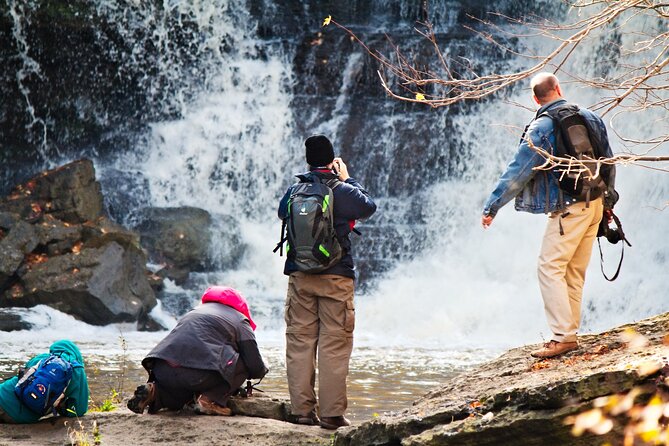
- Balls Falls: In a Carolinian forest with two waterfalls and an early 19th-century hamlet. It’s a calmer counterpoint to the big waterfall drama elsewhere.
- David Morgan log cabin: The audio points you to the Marshville Heritage Society in Wainfleet where his original log cabin is located. This turns “history talk” into a place you can actually aim for.
- Saylem Chapel: The tour describes it as the last station of the Underground Railroad and as the church of Harriet Tubman. That’s one of the emotionally heavier moments on the route, and it’s worth your full attention.
These stops are valuable because they don’t rely on you being a history buff. They’re specific. That specificity makes it easier to remember what you learned and why it matters.
Port Promenade, Bridge 21, Lock 8, and the Benchlands Road-Fare Plan
As you get into St. Catharines, you move from heritage to modern canal life and neighborhood energy.
You’ll hear about:
- Port Promenade: A walk beside the Welland Canal with restaurants, shops, and a great view of giant ships waiting to pass under Bridge 21. Even if you’re only stopping briefly, the view of ships in line is the kind of detail you don’t get from pictures.
- Lock 8: The audio notes it’s not actually a lift lock—just the kind of fact that makes your stop feel informed instead of passive.
- Benchlands: Markets, roadside farm stands, and restaurants offering local fare. This is where the driving tour starts to feel like a day out, not just a drive through points.
If you’re hungry, this section makes sense because it clusters food options after canal and history moments, when you’re most likely to want a break.
United Empire Loyalists, Hydro Towers, and Migrating Birds in a Single Stretch
The tour also explains why this region’s history and geography are intertwined:
- United Empire Loyalists: You’ll hear how they came to the area and how that shaped the story people tell about the region.
- Hydroelectric inlet towers (north end of the park): The tour mentions two hydroelectric inlet towers and says there’s lots of parking. If you like seeing how nature and infrastructure meet, this works well.
- Flight highway for migrating birds: You’ll be told about the huge migrating-bird routes, and what that means in real terms.
- Stone marker with a plaque: A pull-off includes a marker remembering non-commissioned officers and men killed in action. This is a reflective stop—short, but meaningful.
Fort Erie, Safari Niagara, and Navy Island’s Rebellion Ground
Now you head toward the heavier war-and-nature part of the route, near Fort Erie.
You’ll hear:
- Fort Erie battle: The tour describes an attempt to seize the fort where 1,000 British and Canadian soldiers were killed, and it notes that re-enactors from both sides recreate the battle each year.
- Safari Niagara: The audio shares the story behind it and explains what an IBA means (an important bird area).
- Niagara River and parkway: You’ll get the big picture on how the river and the parkway relate.
- Navy Island rebellion: Downstream from the museum, you’ll hear about where rebellion happened.
- 300-acre site with circle of panels: The tour describes a large site with panels guiding you around what was once a farmer’s field and retracing battle events.
This cluster is great when you like your history practical. You’re not stuck listening to dates—you’re seeing land features and getting oriented to what happened there.
Wainfleet Wetlands and the International Railway Bridge: Nature Gets the Final Say
After the battle sites, the tour ends with a nature-focused contrast.
Stops include:
- Birds, Bogs & Beaches at Wainfleet Wetlands Conservation Area: It’s on Quarry Road, described as a former clay and limestone quarry now home for fish, birds, turtles, and snakes. The best part of this stop is the sensory shift: after war sites, you’re back to living systems.
- International Railway Bridge: You’ll get the history behind it, which helps explain why this bridge matters in the larger Niagara transport story.
- Niagara Falls finale: The tour frames the falls as the eighth natural wonder of the world and emphasizes Niagara’s power.
The final effect is satisfying. You don’t just end with another waterfall photo. You end with the feeling that Niagara is a whole system—water, wildlife, people, and industry.
Practical Tips for a Smooth Drive (No Tech Panic Required)
A smartphone audio drive sounds easy. It is—mostly. These tips can save you time and stress:
- Download first, then drive. The tour needs good mobile or WiFi connection for the initial download, but it’s designed so no signal is needed during the tour.
- Don’t fight other maps. The audio includes directions inside the content, so you don’t have to rely on Google Maps or Apple Maps to follow the route.
- Plan for pull-offs. The tour keeps asking you to stop and look. If you hate parking-lot time, this might feel like too many interruptions.
- Start early enough to handle app setup. If you’re on an iPhone, give yourself a buffer—some setups can take longer than you expect.
- Bring what you need for short walks. Wear comfortable shoes and be ready for quick get-out-and-look moments, especially around outdoor viewpoints and nature areas.
- Bring patience for closures. Since recommended attractions can be closed seasonally, treat the audio story as the main course.
Who should consider this? It’s a great fit for people who want flexible pacing, like learning in short bursts between stops, and enjoy mixing famous Niagara moments with lesser-touristed stops.
Should You Book This Niagara Peninsula Smartphone Audio Driving Tour?
Book it if you want an affordable way to see a lot of Niagara Peninsula without hiring a guide for the whole day. The offline setup, the private per-vehicle approach, and the mix of falls power, farm stops, canal engineering, and war history make it a smart choice when you already plan to drive.
Skip it if you hate self-guided anything, or if you’re expecting a fully guided experience with someone shepherding you turn by turn on a screen. Also, if your phone setup is unreliable, test it at home before you go—because once you’re on the road, you’ll want the audio to do its job.
If you can handle a little upfront tech and you’re ready for frequent short stops, this is one of the easiest ways to turn a Niagara drive into a story-filled day.
FAQ
How much does the Niagara Peninsula smartphone audio driving tour cost?
It costs $8.95 per group (up to 15 people).
About how long does the tour take?
The tour takes about 3 to 4 hours on average.
Do I need cell service during the tour?
You’ll need good mobile or WiFi connection for the initial download, but during the tour no signal is required and no data is used.
What do I need to use the tour?
You’ll need a smartphone or tablet. (A smartphone/tablet is not included.) You’ll also need to have a good connection at the start for downloading.
Is this tour private, and do we need multiple bookings for one car?
Yes. This is private, and only your group participates. Only 1 tour booking is needed per vehicle.
Where do we start and end?
The tour starts at 5900 Niagara River Pkwy, Niagara Falls, ON L2E 7M7, Canada and ends back at the same meeting point.
Can I cancel and get a full refund?
Yes. Free cancellation is available: you can cancel up to 24 hours in advance for a full refund. If you cancel less than 24 hours before the experience starts, there is no refund.
More Niagara Falls Day Trips from Toronto


More Tour Reviews to line up around Toronto and Niagara
Not sure yet? Here is more to see and do across Niagara Falls and Around, just reviewed











More Niagara Falls Day Trips from Toronto to size up.
 ★ 4.8Niagara Falls: Premium Tour, Boat & Journey Behind the FallsFrom $1524,207 reviews
 ★ 4.6Niagara Falls Day Tour with Optional Boat CruiseFrom $533,178 reviews
 ★ 5.0Best of Niagara Falls Canada Premium Tour: Behind Falls and BoatFrom $1473,139 reviews
 ★ 5.0Niagara Falls Day Tour from TorontoFrom $702,889 reviews
 ★ 5.0Niagara Falls Canada Day Tour From Toronto + Boat Cruise OptionFrom $632,576 reviews
 ★ 5.0Niagara Falls from Toronto: Skip-the-Line Boat & Skylon TowerFrom $512,406 reviews
 ★ 4.6Niagara Falls, Canada: Evening Fireworks CruiseFrom $352,335 reviews
 ★ 4.6Niagara Falls, Canada: Skylon Tower Observation Deck TicketFrom $162,289 reviews
This tour also ranks in