
Reviewed · NATURE & MULTI-DAY TRIPS FROM TORONTO
4-Day Canadian Camping Road Trip (“Moose On The Loose”)
Moose country without the stress. This 4-day camping road trip from Toronto strings together Algonquin, Killbear, and Killarney with guided hikes and wildlife time, so you can spend your energy outside instead of planning. I love how the route is built around classic Northern Ontario nature stops and the chance to spot moose.
I especially like the hands-on, learn-as-you-go setup. Tent gear is included (tent, sleeping bag, sleeping pad), along with park entry and camping fees, so you’re not stuck hunting gear or paying extra once you arrive. And I’m drawn to the guide-style here too—Damian’s approach comes through in how he runs the show: friendly, laid-back, and solid with newcomers and kids.
One thing to think about: you’re expected to help with cooking and dishwashing, and all meals (besides restaurant lunches) are vegetarian. If you want a total hands-off, pick-up-and-eat vacation, this won’t feel like that.
In This Review
- Key moments that make this trip worth your attention
- Moose On The Loose is a smart way to “do” Northern Ontario camping
- Price and value: what $634.83 per person really buys
- Getting started in Toronto: the 8:00 am plan and what to bring
- Day 1 in cottage country: Huntsville lunch, then Algonquin campfire life
- Day 2: Beaver Pond Trail, Canoe Lake paddle time, and Killbear sunset dinner
- Day 3: Parry Sound supplies, then Killarney’s George Lake beach break
- Day 4: The Crack hike for wildlife spotting and skyline views
- How the guide and group dynamic shape the camping experience
- Wildlife time: moose chances, plus what else you can realistically spot
- Who should book Moose On The Loose, and who should skip it
- Should you book it? My practical take
- FAQ
- How much does Moose On The Loose cost, and how long is it?
- Where do I meet, and what time does the trip start?
- What’s included in the price?
- Are the meals vegetarian?
- Do I need to help with cooking or dishes?
- If I’m traveling alone, will I have a tent to myself?
- What happens if weather is poor or I need to cancel?
Key moments that make this trip worth your attention
- Max 13 travelers keeps the camping pace manageable and the group hikes easier
- Algonquin moose country plus short, timed hikes like the Beaver Pond loop
- Camping coaching included: tent setup help, s’mores by campfire, and hands-on cooking/dishwashing expectations
- Canoe Lake paddle time and beach time at George Lake for a break from hiking
- A camera-first route with wildlife-focused stops and views from the top of The Crack
Moose On The Loose is a smart way to “do” Northern Ontario camping
This trip is built for people who want the outdoors without the logistics headache. You get an air-conditioned vehicle, a planned route, and a guide-led flow that keeps days from turning into chaos. Instead of spending hours figuring out where to camp, what to pack, and how to structure a day, you follow a rhythm that balances activity with downtime.
The biggest draw is that the trip mixes three different kinds of nature time. You get hiking for wildlife and viewpoints, water time for calm paddling and lakeshore relaxation, and camp time for the social side of camping (campfire, s’mores, stargazing when weather cooperates). It’s the kind of itinerary that helps you see more than one park without bouncing around too much.
There’s also a family-friendly vibe in the way it’s paced. One review highlighted how Damian connected with an 11-year-old, answering questions and staying upbeat, which matches what you want on a first camping trip. If you’re new to camping, that guidance matters as much as the scenery.
Head further out on more nature escapes and multi-day trips from Toronto
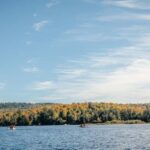
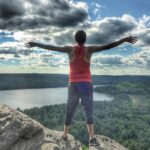
Price and value: what $634.83 per person really buys
At $634.83 per person for about 4 days, you’re paying for more than “a place to sleep.” You’re covering transportation, camping gear rental (tent, sleeping bag, sleeping pad), and park entry plus camping fees. On top of that, you get multiple meals—breakfasts, lunches, and dinners—so you’re not constantly spending on food at small roadside stops.
The value also comes from the guided structure. “At least 3 guided hikes” is not just a marketing line; it means someone is actively shaping your day. When you’re in parks like Algonquin and Killarney, the difference between a random walk and a guided hike is often knowing where to look, when to move, and how to keep it fun instead of tiring.
That said, you should expect a couple of extras. Restaurant lunches on Day 1 and Day 3 are not included, and tips are not included. Also, the itinerary marks the Portage Outpost part of the canoe experience as admission ticket not included, even though shared canoe rental is listed as included—so it’s worth mentally budgeting for small on-the-ground add-ons related to specific activities.
Getting started in Toronto: the 8:00 am plan and what to bring
You meet at 2280 Dundas St W, Toronto, ON M6R 3B5 at 8:00 am, and the tour ends back at the same meeting point. The early start helps you hit parks while the day is still fresh—great for hiking and for getting camp set up before it gets too late.
You’ll be riding in an air-conditioned vehicle, which is a relief on hot days or during long stretches of drive. The group is small (max 13), so you’ll feel like you’re traveling with a set team, not merging into a giant tour bus crowd.
For what to bring, the only clear “not included” item that matters most is pillows. Snacks aren’t included either, so plan on carrying some easy extras for in-between meals. Since all your meals (except restaurant meals) are vegetarian, it also helps to think about what vegetarian food you like—this is not a “you pick your own menu” style trip.
Day 1 in cottage country: Huntsville lunch, then Algonquin campfire life
The day starts with a lakeside lunch stop in Huntsville at a cottage-country restaurant. On a hot day, Huntsville’s marina patios are the vibe, and if you have time, you can pop into local shops or hop in the water. Lunch here is not included, so treat it as your first chance to fuel up before camping-heavy hours.
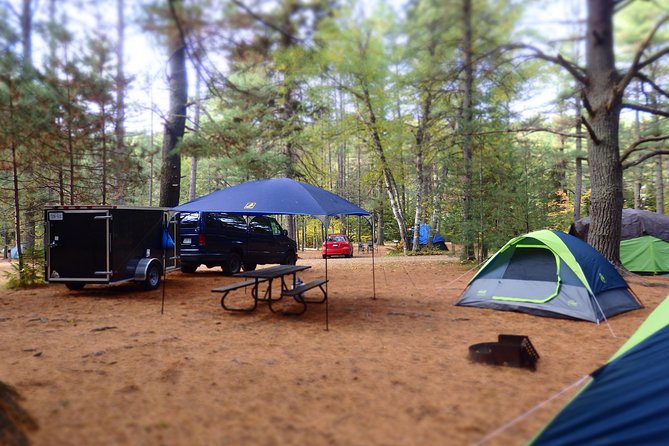
Next comes Algonquin Provincial Park, which is huge and famous for moose spotting. You’ll do a quick tent setup demo when you arrive, then you get open time to enjoy the sun and the water. There’s even structured fun like a beach bocce ball setup, which is the kind of low-stress group activity that helps you meet people without feeling forced.
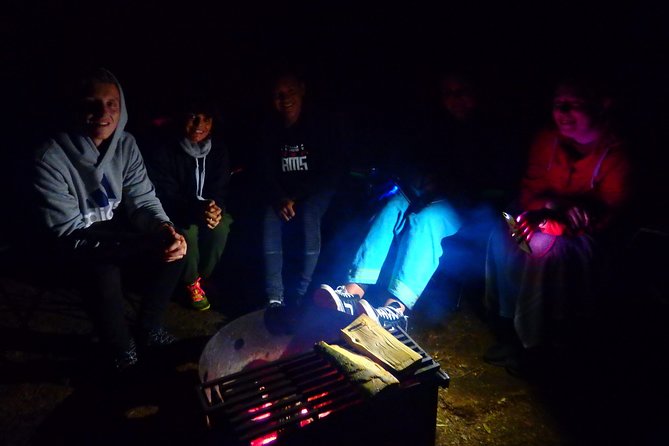
Dinner on this day is handled by the chef/guide, which gives you a chance to relax before the campfire portion. The night ends around the group campfire with s’mores and a “first-timers” teaching moment for how to do it right. If you’re thinking you’ll miss the fun because you’re new to camping, this is designed to prove you wrong.
Practical trade-off: Day 1 is long. You’re in the parks, setting up camp, and still doing evening activities—so you’ll sleep well, but don’t plan to “linger” like it’s a lazy day.
Day 2: Beaver Pond Trail, Canoe Lake paddle time, and Killbear sunset dinner
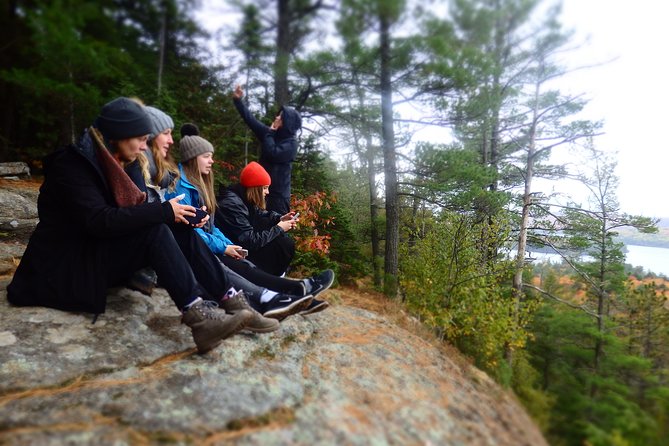
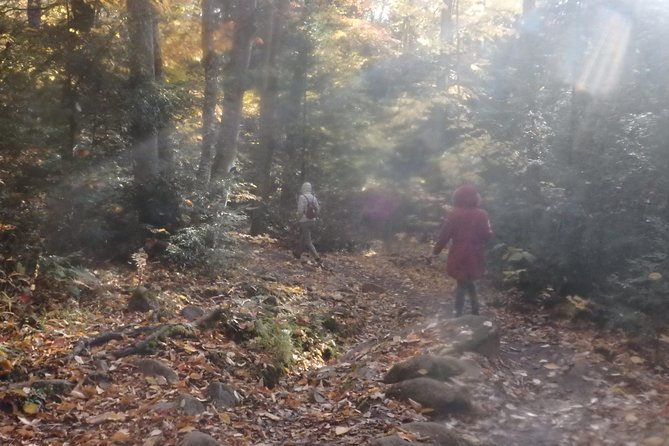
Day 2 starts with a big continental breakfast and morning coffee, then you head into one of Algonquin’s standout hikes: Beaver Pond Trail. It’s a 2.0 km loop (about 45 minutes) that features a real beaver pond and a viewpoint. The fun detail here is how unexpected the color and light feel in the woodland—green and yellow tones that don’t always match what you picture from Northern Ontario.
After hiking, you shift from trail to water. At the Portage Outpost Algonquin Park stop, you paddle the glistening waters of Canoe Lake, tied to the famous Tom Thomson paintings. Canoeing is often the best kind of nature reset: quieter, slower, and perfect for wildlife listening because you’re moving through the space instead of rushing through it.
Then you roll to Killbear Provincial Park with time to throw together dinner, followed by another campfire evening. Be ready for a later meal (around 8:00 pm) and a sunset that’s actually worth staying awake for. This is one of those “you’ll look at the sky, then realize dinner is next” moments that makes camping feel like an experience, not a checklist.
Note: the canoe-related stop is marked as admission ticket not included, so if you’re watching budget tightly, double-check what you might pay on-site versus what’s covered already.
A handful more Toronto tours and day trips worth a closer look
Day 3: Parry Sound supplies, then Killarney’s George Lake beach break
On Day 3, you start with a grocery stop in Parry Sound, then a hot lunch stop at Trestle Brewing Company. That lunch is also a restaurant meal, so it’s not included, but it’s a nice “reset” stop for supplies and a warm meal before heading deeper into camping mode again.
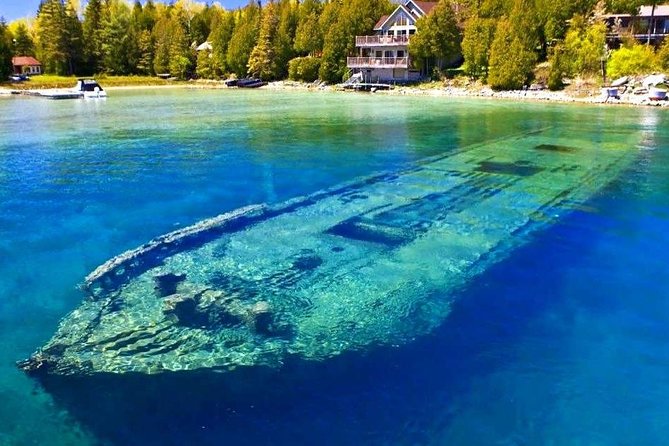
After that, you arrive at Killarney Provincial Park, where you set up camp in a wilderness area that’s large enough to feel properly removed. Once camp is in place, the plan shifts to a beach day at George Lake before supper and bed. This is one of the best-designed breaks in the itinerary: you get active time, then you get to be still on the shore.
This day works well if you’re tired from the first two park days. Instead of stacking one hike after another, you get a change of pace that still feels outdoorsy. And because you’ve already learned the camp rhythm, you’ll spend less time wrestling with logistics and more time enjoying the setting.
Day 4: The Crack hike for wildlife spotting and skyline views
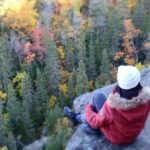
Day 4 is about one thing: a hike that gives you both wildlife potential and a payoff view. The Crack in Killarney is described as challenging, and it’s considered perfect for getting your cameras out and scanning for wildlife at the top.
You’ll get skyline views from the mountain, and the guide may substitute the hike with another similar option. That’s a practical detail, because it means you’re not locked into one single trail outcome if conditions shift. It also keeps the day from falling apart if a specific route isn’t ideal that day.
Even if you’re not a hardcore hiker, this is still a “doable with moderate fitness” kind of challenge, especially if you pace yourself and take your time on the climb. Bring a mindset for slow-and-steady rather than “race to the top,” because the point is looking around, not just getting fit.
How the guide and group dynamic shape the camping experience
The guide matters a lot on a camping trip like this, and the tone from the available feedback is clear: Damian runs a smooth, responsible operation. People describe him as friendly and informative, and he has a way of keeping things calm and organized without sounding like a drill sergeant.
One key element is what “participate in cooking” really means. The trip is vegetarian for camp meals, and you’re expected to help at least once with cooking and dishwashing. That’s not just a chore list—it’s how camping becomes communal instead of babysitting your own meal plan in the dark.
Small group size helps here. With a maximum of 13 travelers, you’re less likely to feel like you’re waiting around, and more likely to jump into tasks without being lost. If you like an outdoors trip where people actually work together, this is a good match.
Also watch for the weather factor. One review referenced a real thunderstorm experience, which is exactly why stargazing is listed as weather permitting. If the sky turns, the trip doesn’t pretend the outdoors will be perfect; it adjusts and keeps moving.
Wildlife time: moose chances, plus what else you can realistically spot
Moose spotting is the headline, and Algonquin Provincial Park is called out as being one of North America’s best places for it. But moose sightings aren’t guaranteed on any trip, so I like that this itinerary isn’t only about one animal.
You also have built-in wildlife-friendly moments. The Beaver Pond Trail focuses on a natural beaver pond and lookout, which pulls you into slow observation mode. Canoeing on Canoe Lake encourages quiet attention to birds and shoreline activity. Then on the hike at The Crack, the top views are paired with camera time for wildlife.
If you’re the type who enjoys “checking the edges” of the forest and scanning the waterline, you’ll get a lot out of this route. If you need guaranteed animal encounters, you’ll still have a strong nature experience even on lower wildlife days, because the parks are the point.
Who should book Moose On The Loose, and who should skip it
This trip is a strong fit if you want guided camping with a clear structure. You’ll like it if you don’t want to wrestle with gear rentals, park bookings, or figuring out where the best trail time should go. It’s also a good option for first-time campers, because the tent setup demo and the campfire s’mores teaching help you get oriented quickly.
You should consider skipping if you hate the idea of helping with camp chores. Cooking and dishwashing are part of the deal, and the vegetarian meal plan is non-negotiable for the included camp meals. Also note that it calls for moderate physical fitness, and one day includes a challenging hike.
Families and pairs often do well here, especially with the small group size. Solo travelers should also know that unless a Solo Tent package is selected, solo guests are paired with one other person to share a 4-person tent, with pairing based on sex (couples and families share automatically).
Should you book it? My practical take
I’d book this if your goal is a guided Northern Ontario camping road trip that mixes hikes, water time, and campfire fun—without you doing all the planning. The value is strongest for people who want the gear, park fees, and meals handled, and who are happy to help cook and clean up at camp at least once.
I’d think twice if you’re picky about food variety, because most meals are vegetarian and restaurant lunches are limited to a couple stops. And if you want zero physical challenge, the “moderate fitness” requirement plus The Crack hike won’t match your style.
If that sounds like you, Moose On The Loose is the kind of trip that makes camping feel civilized while still staying real.
FAQ
How much does Moose On The Loose cost, and how long is it?
It’s priced at $634.83 per person and runs for about 4 days.
Where do I meet, and what time does the trip start?
You meet at 2280 Dundas St W, Toronto, ON M6R 3B5, Canada, and the start time is 8:00 am. The tour ends back at the meeting point.
What’s included in the price?
The trip includes an air-conditioned vehicle, tent/sleeping bag/sleeping pad rental, park entry and camping fees, at least 3 guided hikes, shared canoe rental, s’mores by campfire (weather permitting), stargazing (weather permitting), and meals (3 breakfasts, 2 lunches, and 3 dinners), plus GST.
Are the meals vegetarian?
Yes. All meals aside from the restaurant meals are vegetarian.
Do I need to help with cooking or dishes?
Yes. You’re expected to participate in cooking and dishwashing at least once.
If I’m traveling alone, will I have a tent to myself?
Unless the Solo Tent package is selected, solo guests are paired with one other person to share a 4-person tent, based on sex. Couples and families are placed together automatically.
What happens if weather is poor or I need to cancel?
The experience requires good weather. If it’s canceled due to poor weather, you’ll be offered a different date or a full refund. If you cancel yourself, you can cancel up to 6 days in advance for a full refund (with reduced refund amounts if you cancel closer to departure).
More Nature Escapes and Multi-Day Trips from Toronto
More Tour Reviews to line up around Toronto and Niagara
Not sure yet? Here is more to see and do across Toronto, just reviewed






More Nature & Multi-Day Trips from Toronto to size up.
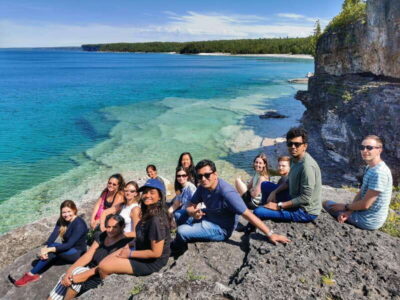 ★ 4.4Bruce Peninsula National Park Guided Day TripFrom $166152 reviews
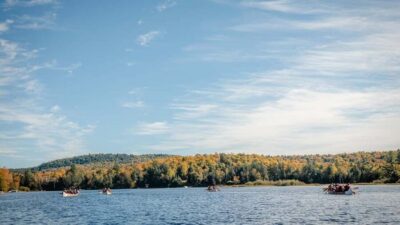 ★ 4.8Algonquin Park and Ragged Falls Day TripFrom $11686 reviews
 ★ 4.5Algonquin Provincial Park Day Tour from Toronto72 reviews
 ★ 4.5Bruce Peninsula Day Trip from Toronto50 reviews
 ★ 4.4Algonquin Park Hiking: Adventure Tour from TorontoFrom $15132 reviews
 ★ 4.53 Days-3 ICONIC Cities: Montreal, Quebec and Ottawa from TorontoFrom $58816 reviews
 ★ 4.9Bruce Peninsula Guided Hiking Day TripFrom $14511 reviews
 ★ 4.5Blue Mountains Shuttle from Toronto – Village or Scenic CavesFrom $697 reviews
This tour also ranks in